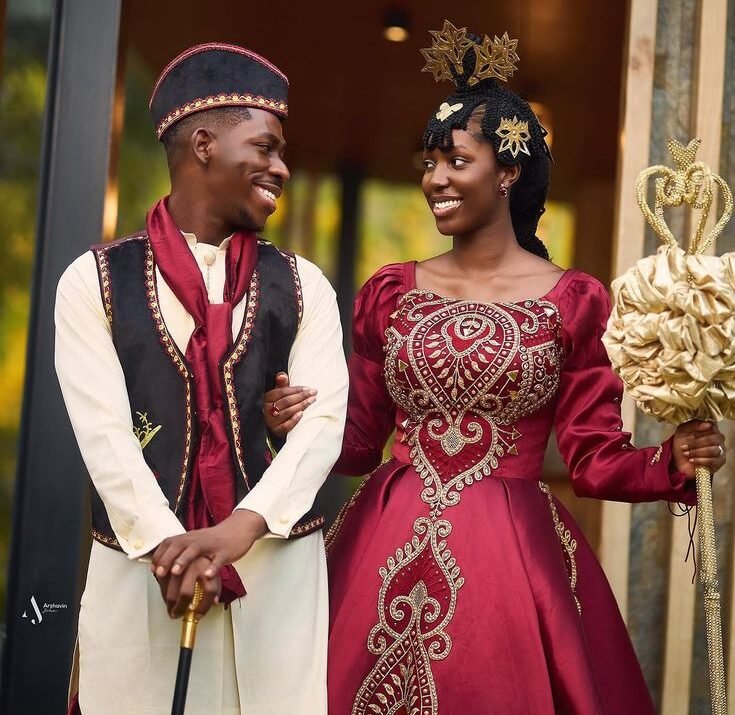

Akwa Ibom traditional weddings are legendary for their high energy, rich cultural displays, and breathtaking fashion. At the heart of this visual spectacle is the bridal attire—specifically the iconic Ndot Iba (double wrapper) for the bride and matching structured tops
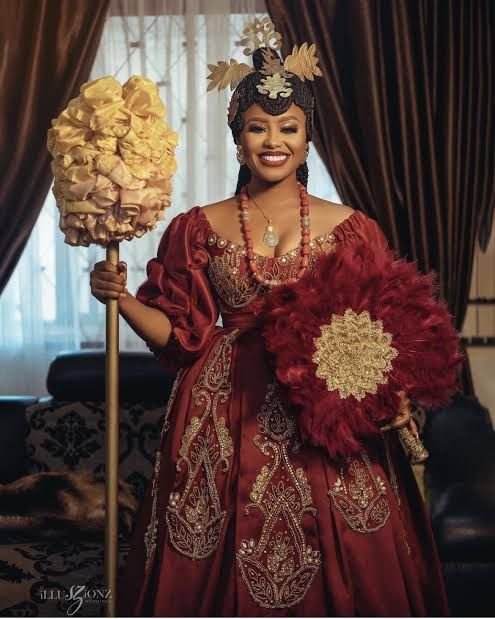
In Akwa Ibom culture, the Adiaha (the firstborn daughter) holds a position of immense honor, respect, and cultural significance. When she steps out for her traditional marriage, her attire must reflect this unique status, blending time-honored heritage with contemporary royalty.

The traditional Akwa Ibom wedding is a masterclass in cultural luxury, and today’s grooms are stepping up their style game like never before. For decades, the classic white long-sleeve shirt paired with a vibrant wrapper (Ushwang) was the unchallenged uniform
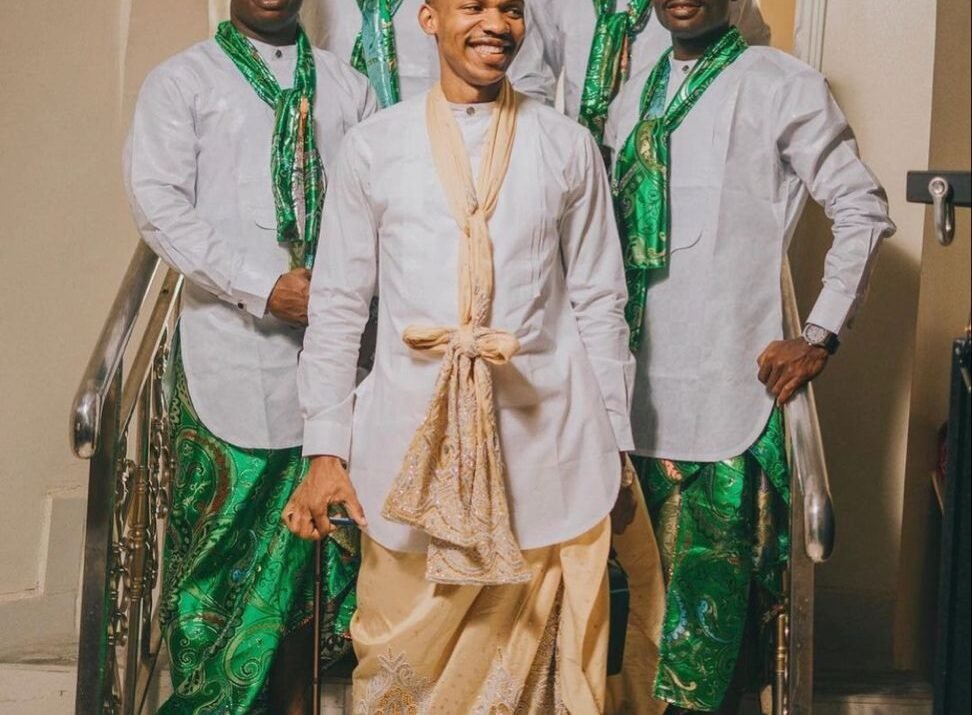
Akwa Ibom Groom Styles The traditional Akwa Ibom wedding is a masterclass in cultural luxury, and today’s grooms are stepping up their style game like never before. For decades, the classic white long-sleeve shirt paired with a vibrant wrapper (Ushwang)

In Akwa Ibom State, Nigeria, a name is far more than a casual label; it is a profound declaration of identity, destiny, and circumstance. The Ibibio, Annang, and Oro (Oron) ethnic groups share close linguistic and cultural bonds, yet each

The Efik people of Cross River State, Nigeria, possess a cultural heritage as rich and fluid as the waters that surround their coastal homeland. At the heart of this heritage lies the Ekombi dance, a mesmerizing and aristocratic performance known