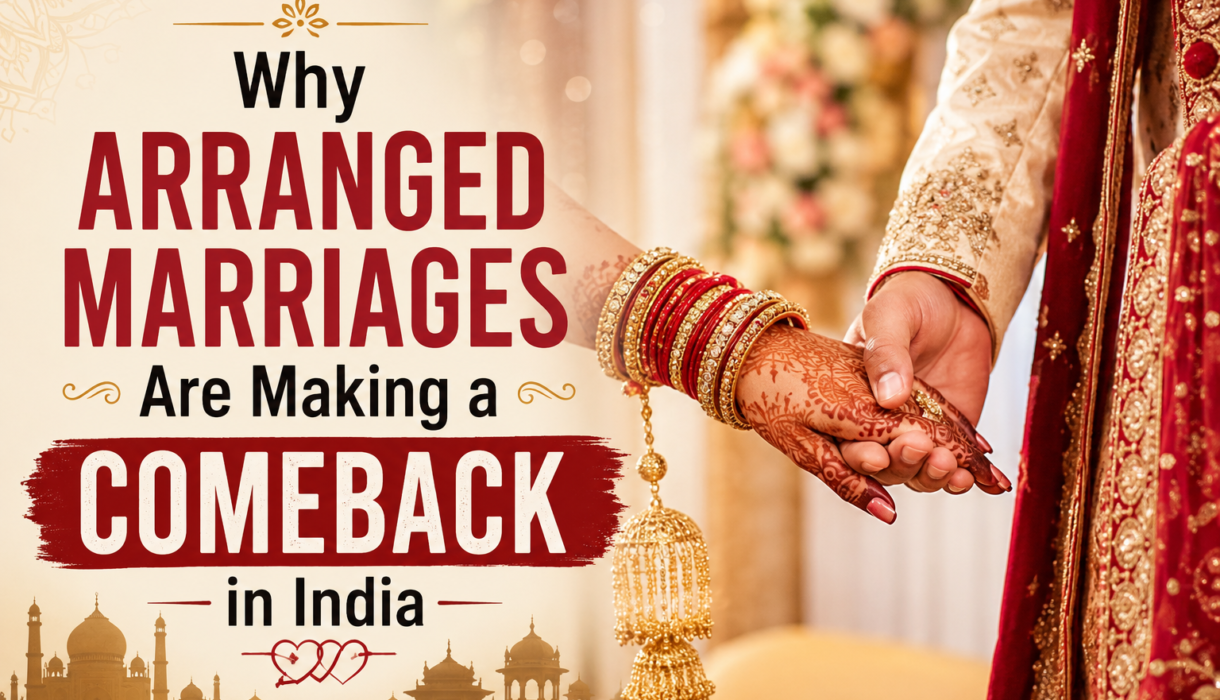

In an era dominated by instant swipes and casual dating apps, modern relationships can often feel overwhelming, transient, and exhausting. Surprisingly, young urban professionals across India are increasingly turning toward a modernized version of arranged marriage to find long-term stability. Far from the rigid, forced unions of past generations, today’s arranged marriage represents a practical blend of personal autonomy and cultural heritage. This quiet comeback is not a retreat into old traditions, but a deliberate choice by modern singles seeking intentionality, shared values, and lasting commitment.
Dating Fatigue and the Search for Intentionality
One of the primary drivers behind this resurgence is widespread fatigue with modern dating platforms. While dating apps offer an endless sea of choices, they frequently foster surface-level interactions and uncertain commitments. In contrast, the modern arranged marriage process operates on clear, upfront intentions: both parties enter the interaction with the explicit goal of building a lifelong partnership. By bypassing the ambiguity of endless casual dating, young adults can skip the games and focus on deep, meaningful compatibility from the very beginning.
Reimagining Matchmaking Through Technology and Consent
Today’s arranged marriages look fundamentally different from historical models, primarily due to the rise of technology and mutual consent. Tech-enabled matrimonial platforms allow individuals and families to filter potential partners based on education, career goals, lifestyle, and personal values. Crucially, the final decision rests firmly with the prospective bride and groom. Modern couples typically enjoy extended courtship periods—dating for months to test emotional and lifestyle compatibility—before making any formal commitment, effectively creating a hybrid model of “assisted dating”.
The Strength of Built-in Support Systems
In Indian culture, marriage is widely viewed as a union of two families rather than just two isolated individuals. Having family members involved in the vetting process provides a vital layer of emotional, social, and practical security. Parents and relatives often assist in evaluating long-term background stability, financial alignment, and shared cultural ground. This communal foundation creates a robust safety net for the couple, ensuring they have an established, multigenerational support system to help navigate the inevitable challenges of married life.
Pragmatism Meets Romance for the Future
Ultimately, the revival of arranged marriages reflects a broader shift toward pragmatism in contemporary relationships. Today’s youth recognize that while romantic chemistry is important, shared life goals, financial compatibility, and mutual respect are the true pillars of a lasting union. By combining ancient cultural wisdom with modern personal agency, the updated arranged marriage framework offers a refreshing, reliable route to love. As tradition adapts to the needs of modern life, this time-tested practice continues to prove its lasting value in India’s evolving social fabric.