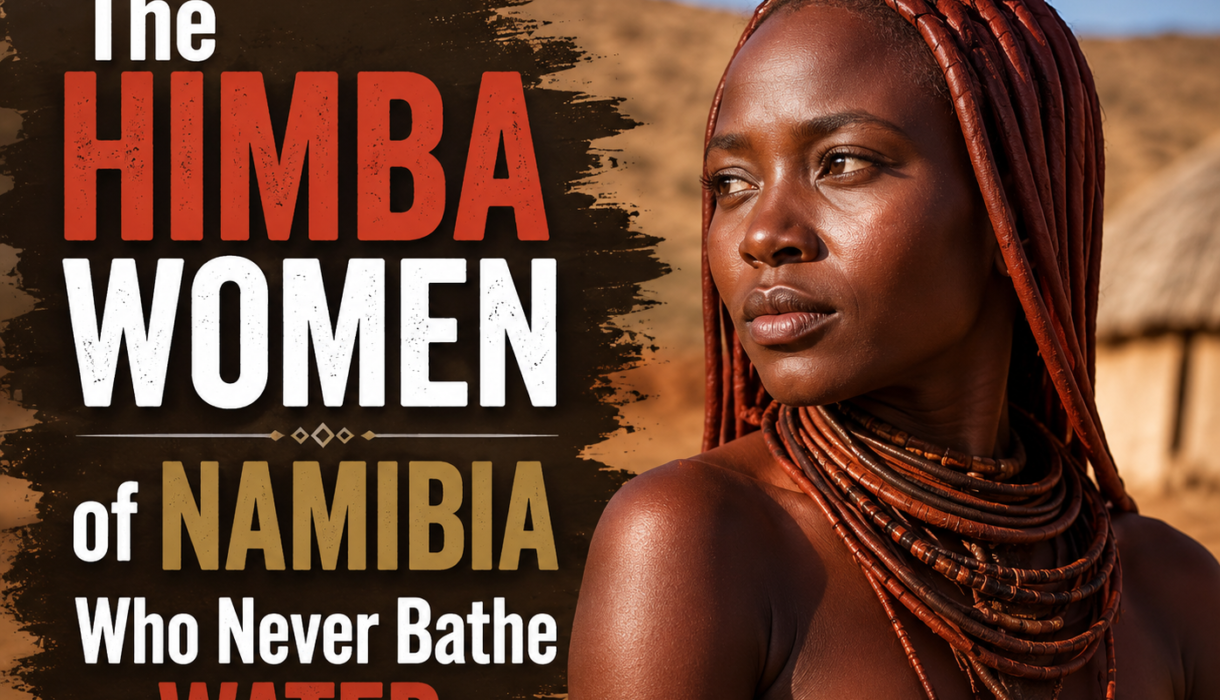

In the arid, sweeping landscapes of the Kunene Region in northern Namibia, the OvaHimba people have maintained a semi-nomadic lifestyle that has captivated the global imagination for generations. Among their most famous cultural hallmarks is the striking appearance of Himba women, celebrated for their elaborate braided hairstyles and radiant, terracotta-colored skin. However, one of the most astonishing facts about these women is that they do not wash with water. In a region where severe droughts are a historical norm and water is an incredibly scarce commodity reserved strictly for drinking and livestock, the Himba women have developed an ingenious, waterless alternative to maintain immaculate hygiene.
The Secret of Otjize: A Natural Shield
Instead of standard soap and water, Himba women apply a traditional cosmetic paste called otjize to their skin and hair every single day. This iconic mixture is crafted by grinding intense red ochre stone into a fine powder and blending it with liquid butterfat and aromatic plant resins. While otjize gives the women an incredibly beautiful, rich red hue that symbolizes the earth and the life-giving properties of blood, its primary purpose is highly functional. The paste forms a heavy occlusive barrier that seals in the skin’s natural moisture, shields the body from the blistering desert sun, repels persistent insects, and prevents the growth of bacteria.
The Ritual of the Daily Smoke Bath
To complement the protective qualities of otjize, Himba women utilize a sophisticated daily “smoke bath” to ensure thorough personal cleanliness. The ritual involves placing hot, glowing embers into a small bowl containing dried leaves and resins from the Namibian myrrh tree (Commiphora wildii), locally known as omumbiri. As dense, highly aromatic smoke begins to ascend, the women wrap themselves in a thick blanket and lean over the vessel. The trapped heat induces perspiration, allowing the smoke’s natural antimicrobial properties to deep-cleanse the skin’s pores and leave the body thoroughly refreshed and pleasantly perfumed.
Cultural Identity and Social Significance
Beyond its practical application as a hygiene substitute, this waterless beauty regimen is a powerful visual language within Himba society. The meticulous styling of a woman’s hair—which is meticulously coated in otjize and lengthened with woven extensions—communicates her exact age, marital status, and standing within the community. For instance, young girls wear heavy braids flipped forward over their faces, while married women wear elaborate, crown-like headpieces made of sheepskin. This generational tradition is proudly passed down from mothers to daughters, serving as an enduring symbol of feminine pride and cultural continuity.
A Masterclass in Environmental Adaptation
The unique hygiene practices of the Himba women offer a profound lesson in ecological resilience and cultural preservation. By rejecting Western standards of cleanliness that rely heavily on plumbing and abundant water, they have proven that humans can thrive in harmony with the planet’s most unforgiving climates without compromising their dignity or health. As global conversations increasingly shift toward sustainable living and water conservation, the Himba people stand as a living testament to the power of indigenous innovation, demonstrating that ancient wisdom can solve modern environmental challenges with grace and beauty.