Ekpe? Separating the Facts from Myths About the Leopard Society
Posted in :

The Ekpe Society, historically known as the Leopard Society, is one of Africa’s most profound and enduring traditional institutions. Originating among the Efik, Ibibio, and Ejagham peoples of Nigeria’s Cross River and Akwa Ibom states, as well as parts of Cameroon, Ekpe has fascinated outsiders for centuries. The word “Ekpe” translates directly to “Leopard,” a symbol of authority, stealth, and supreme power. However, because of its secretive nature and the selective sharing of its inner workings, a thick cloud of mystery and misinformation has long surrounded this ancient order.
Myth vs. Reality: A Bloodthirsty Cult or a Governing Body? Ekpe
The most prevalent myth about the Ekpe Society—often fueled by colonial-era narratives and modern Nollywood cinema—is that it is a sinister, bloodthirsty cult involved in dark magic and human sacrifice. In reality, Ekpe was the supreme administrative, judicial, and legislative branch of government before British colonial rule. It functioned much like a modern supreme court and police force combined. Ekpe made laws, settled boundary and marital disputes, enforced trade regulations, and executed punishments. It was a highly organized system designed to maintain social order, peace, and checks and balances within the community.
The Sacred Language of Nsibidi
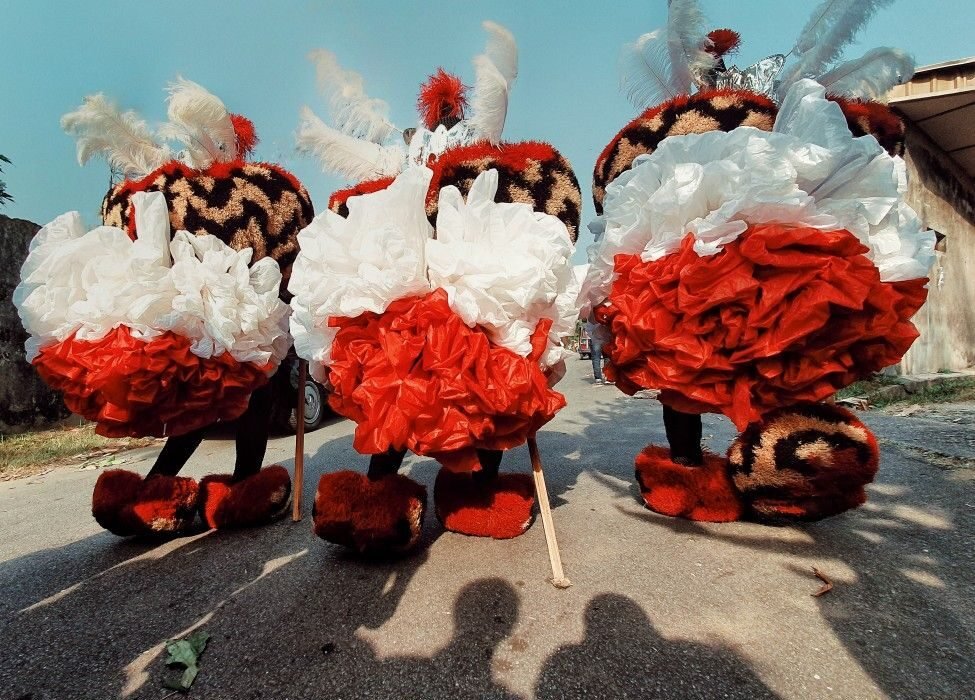
Another fascinating aspect of Ekpe is its deep connection to Nsibidi, an ancient indigenous system of ideographic writing. Critics often misinterpret the use of Nsibidi symbols, masks, and the dramatic, masquerade-led public processions as primitive witchcraft. Factually, Nsibidi is a sophisticated, highly coded language used by Ekpe initiates to communicate complex messages, laws, and spiritual truths across different levels of the hierarchy. Far from being a chaotic ritual, an Ekpe masquerade display is a carefully choreographed public theater meant to demonstrate the presence of divine justice and community authority.
The Graded Hierarchy and Inclusivity
A common misconception is that Ekpe is an lawless group of vigilantes. On the contrary, Ekpe operates on a strict, merit-based hierarchy consisting of several titles or “grades.” To ascend these grades, members must demonstrate high moral standing, emotional maturity, and financial stability, as entry and advancement require initiation fees that fund community development. Furthermore, while the core executive roles are traditionally held by men, specific female counter-societies (like Ebere) exist, ensuring that women hold parallel, vital spaces of spiritual and social influence within the broader cultural landscape.
Ekpe in the Modern World
Today, Ekpe has adapted to the 24st century. While it no longer holds absolute political and legal power due to modern constitutional law, it remains a revered cultural custodian. Modern elites, including politicians, academics, and professionals, still seek initiation to connect with their ancestry and promote community welfare. By separating colonial-era myths from historical facts, it becomes clear that the Ekpe Leopard Society is not a relic of darkness, but a sophisticated institution of governance, philosophy, and African pride that deserves respect and preservation.