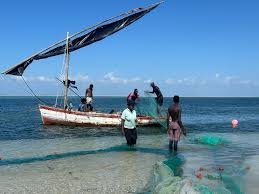

Along the golden, palm-fringed coastline of Mozambique, long before the sun breaks over the horizon, wooden dhows assemble near the water’s edge. Before pushing these traditional sailing vessels into the turquoise surf of the Indian Ocean, the local fishermen gather in a quiet circle. They do not begin by checking their nets or adjusting their sails; instead, they lift their voices in harmony. This pre-voyage ritual of singing to the ocean is an ancient tradition that transforms daily labor into a deeply spiritual and collaborative art form.
A Sacred Dialogue with a Living Entity
For Mozambican coastal communities, the ocean is far more than a physical body of water or a workplace—it is viewed as a living, breathing power that commands supreme respect. Through maritime songs root-connected to East African Swahili coastal heritage, fishermen ask the sea for permission to enter its domain. By offering hymns of praise, hummed melodies, and traditional prayers before setting off, they seek to appease ocean spirits and nature, acknowledging that their safe return depends entirely on the sea’s goodwill.
Establishing Rhythm and Crew Synchronization
Beyond its profound spiritual importance, singing serves a highly practical purpose for the crew. Launching a heavy wooden dhow through crashing waves requires flawless teamwork, timing, and physical coordination. The songs are structured in a call-and-response format led by a senior crew member. The rhythmic tempo matches the motion of hauling ropes, pushing hulls across the sand, and synchronizing heavy paddle strokes—turning exhausting physical labor into an efficient, unified movement.
Passing Down Navigation and Environmental Wisdom
The lyrics of these ocean songs act as oral archives containing generations of maritime knowledge. Passed down from grandfathers to young apprentice boys, the verses carry detailed information about hidden coral reefs, seasonal tide patterns, weather forecasts, and stellar navigation cues. Singing these chants daily reinforces crucial safety knowledge, ensuring that centuries of environmental wisdom remain preserved without relying on written logs or modern instruments.
A Counterpart to Uncertainty and Fear
Venturing into open ocean waters on small handcrafted vessels carries inherent danger. Tropical storms, sudden wind shifts, and rough seas make every trip unpredictable. Singing before departure serves as a psychological anchor for the crew, soothing anxiety and building trust among boatmates. By singing together, the men foster intense bonds of solidarity, reminding one another that they share a common purpose and will face the deep ocean as a single unit.
Honoring Ancestors and Family Ties
Many of the pre-voyage songs include calls to ancestors who worked the same coastal waters generations ago. The lyrics often mention the families waiting on the shore, expressing hope for a bountiful harvest that will sustain the village. This bridges the gap between the terrestrial world of home and the aquatic realm of the sea, framing every fishing trip as a sacred responsibility to support the broader community.
Preserving Heritage in a Changing World
In an era where modern technology and industrial fishing vessels are expanding along the African coast, the singing fishermen of Mozambique preserve a rare, authentic connection to nature. Their ancient pre-voyage ritual stands as a powerful reminder that human survival is best built on humility, gratitude, and harmony with the natural environment. Every morning as their voices drift across the waves, these fishermen ensure that the rich cultural heart of the Swahili coast continues to beat.