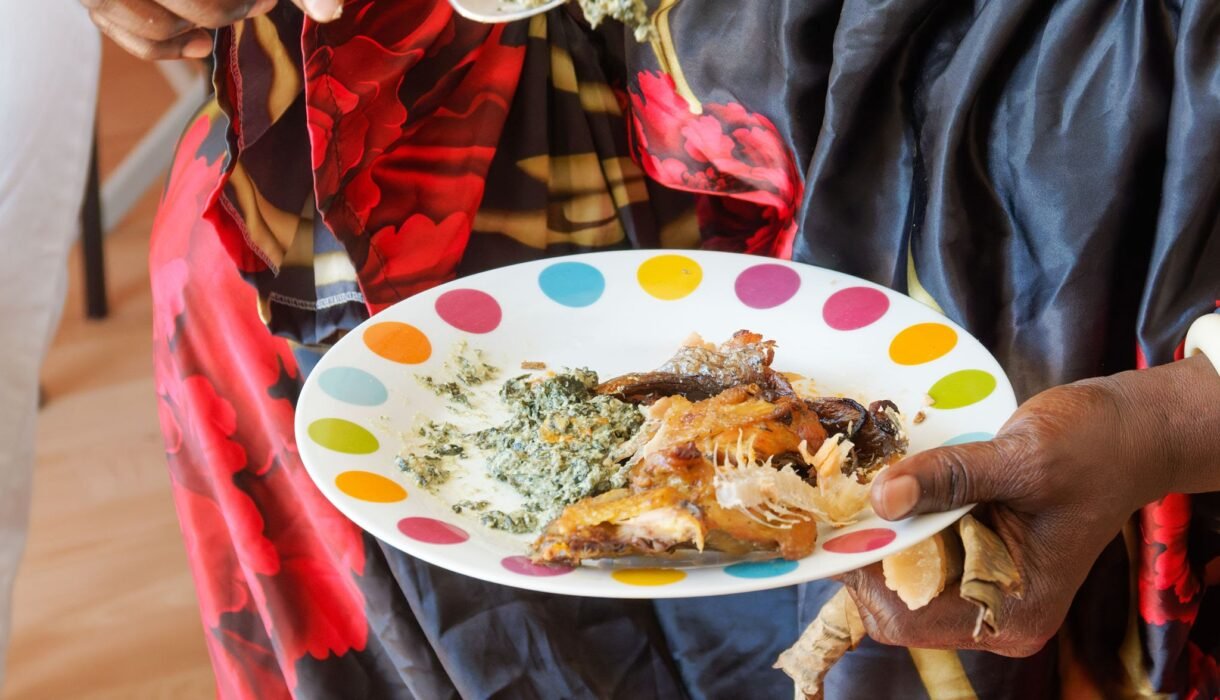
Why Burundian Men Cannot Eat With Women — and Nobody Has Questioned It for Generations
Posted in :

In the lush, rolling hills of Burundi in East-Central Africa, daily life is guided by time-honored customs that dictate social order, household etiquette, and communal harmony. Among these traditional practices, few are as striking to outside observers as the strict separation of men and women during meal times. In traditional Burundian households, men and women routinely eat their meals in separate physical spaces. Far from being viewed as an act of hostility, this deeply rooted custom has been passed down and honored across generations as an essential standard of respect and household decency.
The Cultural Roots of Separate Dining Spaces
To understand why men and women dine separately in traditional Burundian culture, one must examine the fundamental organization of the household. In custom-bound rural communities, the dining arrangement reflects traditional social roles rather than modern notions of division. The head of the household, along with adult male family members and male guests, is served in a central receiving room or living area. Meanwhile, women and younger children gather in or near the kitchen space to share their meal together.
Dining as an Expression of Mutual Respect
Within Burundian cultural logic, eating in separate spaces is viewed as a demonstration of mutual respect (ubupfura) and modesty. Meal preparation and consumption carry subtle social expectations regarding posture, composure, and speech. By dining in distinct groups, both men and women enjoy a relaxed environment free from formal social pressure. Women can converse freely with female relatives and tend to children without the formal protocol expected when serving the male elders of the house.
The Role of Hospitality and Patriarchal Protocol
Hospitality holds immense value in Burundian society, and mealtime reflects a household’s reputation. When a male guest visits a home, custom dictates that he be received by the patriarch and served with full honor. Serving male elders and guests together in a dedicated space ensures that hosts fulfill their duty of hospitality according to local standards. For generations, failing to observe these spatial boundaries was seen as a sign of poor upbringing and a lack of social grace.
Informal Education for the Next Generation
Separate dining arrangements also function as informal educational spaces for children. Young boys learn social etiquette, adult conversation, and community values by observing their fathers and male elders during meals. Similarly, young girls learn household management, culinary skills, and family history from mothers and aunts in the domestic area. This communal division ensures that cultural values and practical knowledge are continuously transmitted to the younger generation.
Modern Urban Shifts and Generational Change
While separate dining remains standard in rural villages and during traditional ceremonies, urban life in cities like Bujumbura and Gitega is gradually transforming these habits. Exposure to international dining cultures, smaller modern housing layouts, and changing workplace dynamics have led many younger families to adopt joint dining tables. Nevertheless, even in modern households, rural relatives and formal gatherings often revert to traditional seating protocols out of respect for elders.
A Lasting Custom in a Changing World
The practice of Burundian men and women eating separately offers a compelling look at how traditional societies structure respect, privacy, and social order around daily routines. What might appear unusual to an outsider is, within its cultural context, a harmonious system built on mutual deference and community heritage. As Burundi continues to modernize, this ancestral custom stands as a testament to the enduring strength of cultural identity in everyday life.