
Traditional attire is far more than just a aesthetic choice; it is a “living museum” that carries centuries of history, social values, and regional identity in every stitch. Across the globe, these garments serve as vital markers of belonging, often indicating a wearer’s marital status, age, or specific village origin through subtle variations in pattern and color. By exploring the diverse wardrobes of humanity, we gain a deeper appreciation for the craftsmanship and cultural narratives that have survived the tide of modern globalization.
Iconic Silhouettes of Asia and the Middle East
Asia offers some of the world’s most recognizable traditional garments, each tailored to balance elegance with historical significance. The Sari of India, a drape of fabric up to nine yards long, has been worn for millennia, while the Japanese Kimono uses intricate motifs to reflect the changing seasons. In Korea, the Hanbok is celebrated for its vibrant colors and flowing lines. China’s Qipao (or Cheongsam) evolved from royal Manchu robes into a symbol of modern grace. Southeast Asia contributes the Kebaya, a delicate lace blouse common in Indonesia and Malaysia, and the Longyi, a practical wraparound skirt worn daily in Myanmar. Further west, the Palestinian Keffiyah serves as both a sun-shield and a powerful symbol of national identity, while the Abaya in Saudi Arabia represents a blend of modesty and cultural heritage.
The Bold Textiles of Africa and Oceania
African traditional clothing is renowned for its bold use of color and symbolic geometry. Ghana’s Kente Cloth, originally reserved for royalty, uses specific patterns to communicate concepts like wealth and spiritual purity. In West Africa, the Dashiki offers a loose, colorful tunic style, while the Aso Oke of the Yoruba people is a hand-woven fabric used for prestigious ceremonies. Central and East African men often wear the Kanzu, a white or cream tunic influenced by Arab traders. South Africa’s Xhosa people are famous for their elaborate Head Wraps and beadwork, which signify life milestones. Across the ocean, the Batik patterns of Indonesia and the Barong Tagalog of the Philippines—made from translucent pineapple fiber—showcase the artistic ingenuity of island cultures.
European Heritage and Alpine Traditions
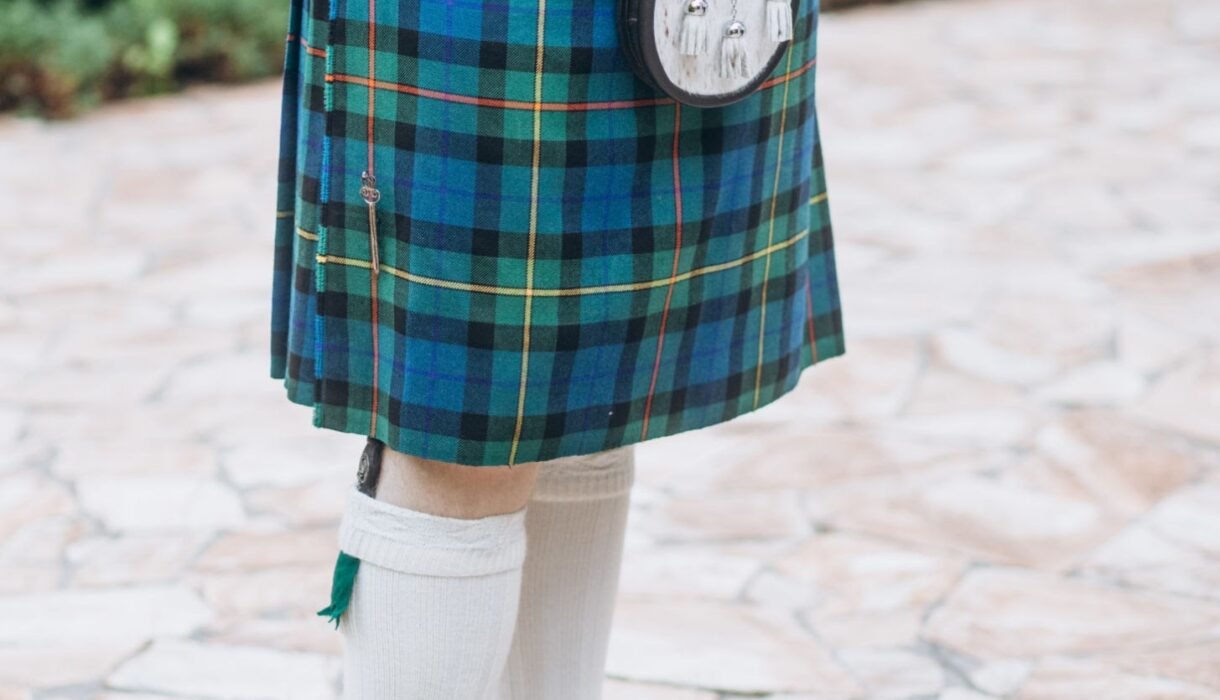
In Europe, traditional dress often reflects the continent’s agricultural roots and clan-based histories. The Scottish Kilt, with its specific tartan patterns, denotes allegiance to a particular Highland clan. Norway’s Bunad is a highly regionalized folk costume worn during national celebrations, with embroidery styles that pinpoint the wearer’s home province. The Alpine regions of Germany and Austria are famous for the Dirndl (for women) and Lederhosen (for men), garments that originated as durable workwear for peasants but are now iconic festival attire. In Southern Europe, the Spanish Beret and the colorful Greek Fustanella—a pleated skirt-like garment worn by the Evzones—stand as symbols of pride and military history.
Indigenous Wisdom of the Americas
The traditional clothing of the Americas is deeply rooted in the natural world and spiritual beliefs. In the High Andes of Peru, Quechua women wear Layers of Skirts and vibrant Pollera dresses, using specific weaving techniques passed down from Inca ancestors. The Mexican Huipil, a loose-fitting tunic decorated with complex embroidery, has remained a staple for Indigenous women for over 3,000 years. Further north, Native American Jingle Dresses serve as healing regalia with metal cones that create a distinct sound during dance ceremonies. The Poncho, with its pre-Incan origins, remains a versatile symbol of South American identity, proving that traditional clothing is not just a relic of the past, but a functional and cherished part of the present.