
In our highly interconnected digital age, it is easy to assume that global awareness has bridged the gaps between diverse societies. However, true cultural understanding requires more than just viral videos or superficial travel blogs. Many of the world’s oldest and most vibrant communities remain deeply cloaked in misconception, often reduced to outdated stereotypes by mainstream media. When a society’s complex customs are viewed without their proper historical and spiritual context, they are easily mischaracterized. To build a more empathetic world, it is essential to look past sensationalized headlines and explore the profound depth of these frequently misjudged heritages.
The Romani People: A Legacy of Resilience Over Myth
Perhaps no group faces as much systemic romanticization and simultaneous prejudice as the Romani people. Often incorrectly labeled with the derogatory term “Gypsies,” the Romani are an ethnic group with roots tracing back to ancient northern India, though they have lived across Europe for centuries. Popular media frequently caricatures them either as mystical wanderers or lawless outsiders. In reality, the Romani possess a sophisticated internal legal code (Romanipen), a deep-seated reverence for family structure, and an invaluable musical and artistic heritage that has heavily shaped European flamenco and classical traditions.
The Maasai: Guardians of Conservation, Not Just Warriors
The Maasai of East Africa, primarily inhabiting Kenya and Tanzania, are globally famous for their striking red shúkàs, intricate beadwork, and iconic jumping dances. While Western tourism frequently markets them solely as exotic, primitive warriors frozen in time, this narrative ignores their sophisticated nomadic pastoralist systems. The Maasai possess an incredibly advanced, indigenous understanding of ecology and wildlife management. For generations, their communal land-use laws have successfully preserved East Africa’s fragile ecosystems, proving that their traditional lifestyle is a masterclass in modern environmental sustainability.
Voodoo and Vodou: Misjudged Spiritualities of Healing
Few cultural and religious practices are as violently misrepresented as Haitian Vodou and West African Voodoo. Decades of Hollywood horror films have reduced these sacred, monotheistic faiths to malicious caricatures involving pin-stuck dolls, dark curses, and sorcery. In truth, these traditions emerged as vital spiritual lifelines of resistance, unity, and survival for enslaved peoples. At their core, Vodou and Voodoo are deeply focused on communal healing, honoring ancestral wisdom, and maintaining a harmonious relationship with the forces of nature, serving as a source of profound psychological and social comfort.
Bridging the Gap Through Informed Empathy
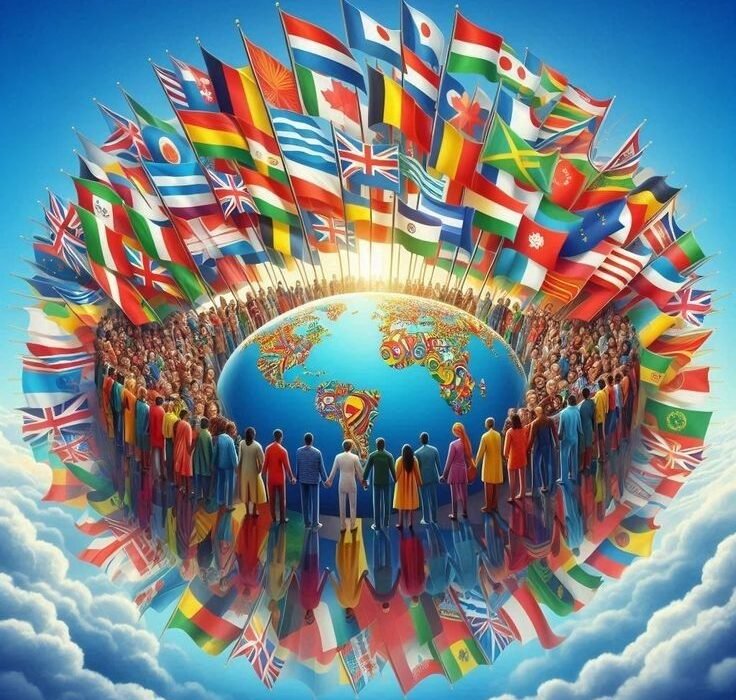
Dismantling these deep-seated misconceptions is not just an exercise in political correctness; it is a vital step toward global unity and mutual respect. When we take the time to understand the genuine history, struggles, and philosophies behind a culture’s practices, the exoticized barriers completely dissolve. Professional sociology and cultural anthropology remind us that what seems “strange” from the outside is often completely logical, beautiful, and deeply sacred from within. By choosing curiosity over assumption, global citizens can foster an inclusive environment where every heritage is appreciated for its true essence.