The Heart of Central America: An In-Depth Exploration of El Salvador’s Rich Culture and Heritage
Posted in :

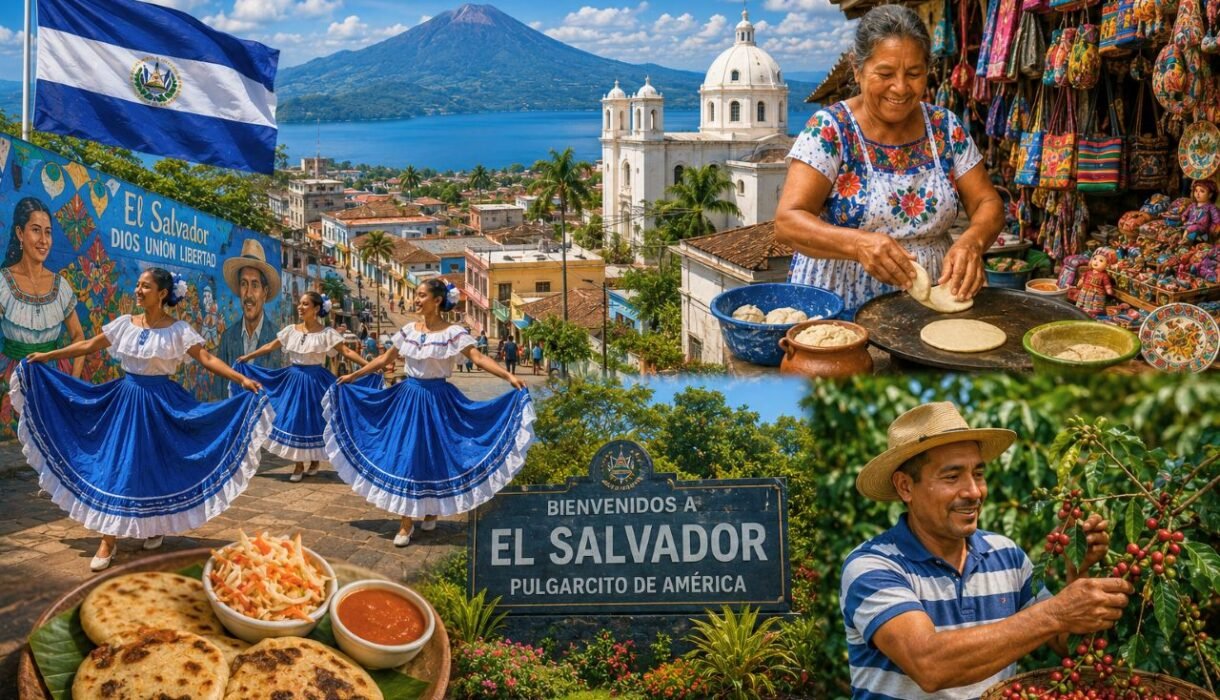
Nestled along the Pacific coast of Central America, El Salvador is affectionately known as El Pulgarcito de América (The Little Thumb of America) due to its compact geographic size. Yet, what this vibrant nation lacks in physical landmass, it more than makes up for in the immense depth of its cultural identity. – El Salvador culture

The people of El Salvador, known globally as Salvadoreños and colloquially among themselves as Guanacos, are celebrated for their warmth, resilience, industrious spirit, and deep-seated hospitality. Shaped by ancient civilizations, colonial encounters, and modern adaptations, Salvadoran culture is a stunning tapestry woven from indigenous roots and Spanish influences. To understand El Salvador is to appreciate a society that honors its past while dynamically building a peaceful and progressive future.
History & Origins
El Salvador’s cultural evolution is deeply rooted in its pre-Columbian history. Long before the arrival of European explorers, the territory was inhabited by advanced Mesoamerican civilizations. The most dominant group was the Pipil (or Cuzcatlecs), descendants of the Aztecs, who migrated south from Mexico in the 11th century and established their capital, Cuzcatlán (Land of Precious Jewels). Alongside the Pipil, eastern regions were inhabited by the Lenca and Chortí Maya peoples.
In 1524, Spanish conquistador Pedro de Alvarado led an invasion into the region, initiating nearly three centuries of colonial rule. This era fundamentally altered the demographic and social landscape, introducing the Spanish language, Roman Catholicism, and European administrative structures. The blending of Spanish colonizers and indigenous populations gave rise to a dominant Mestizo population.
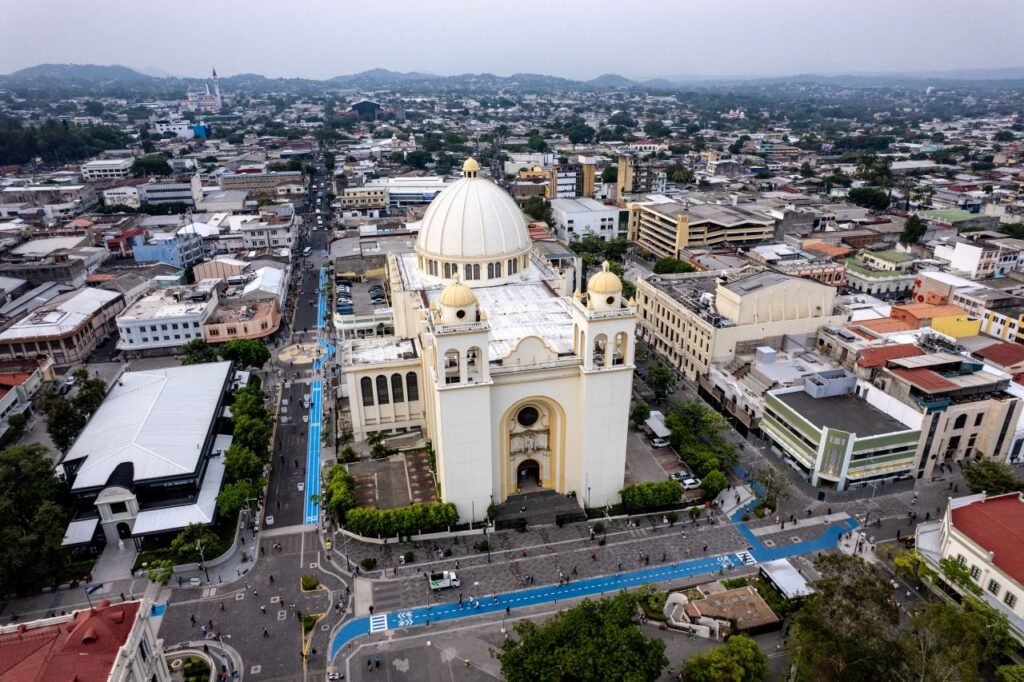
El Salvador achieved independence from Spain in 1821. The 20th century brought significant political upheavals, culminating in a historic civil war (1980–1992). The signing of the Chapultepec Peace Accords in 1992 marked a profound cultural turning point, sparking a powerful renaissance focused on national healing, cultural preservation, and democratic expression.
Culture, Traditions & Customs
Family serves as the absolute foundational cornerstone of Salvadoran society. Traditional customs guide every stage of life, deeply emphasizing community solidarity.
Marriage Customs
In El Salvador, weddings are joyous, multi-layered celebrations. While civil ceremonies are legally required, religious church weddings hold immense cultural weight. A unique traditional feature is the las arras (wedding coins), where the groom presents 13 gold or silver coins to the bride, symbolizing his commitment to support the family, which she accepts as a sign of mutual trust. Receptions are lively communal gatherings featuring vast spreads of food, traditional music, and dancing that lasts long into the night.
Naming Ceremonies and Birth
Deeply tied to Catholic traditions, infants are introduced to the community through holy baptism (bautizo). Parents select padrinos (godparents) who assume a lifelong spiritual and financial co-parenting role. This system creates compadrazgo (co-parenthood), tying families and communities closely together.
Festivals and Holy Days
Towns across El Salvador host annual fiestas patronales (patron saint festivals). The grandest of all is the Fiestas Agostinas in San Salvador, held every August to honor El Salvador del Mundo (The Savior of the World). These festivals feature vibrant street parades, complex masked dances, beauty pageants, and alboradas (dawn musical awakenings).
Rites of Passage
The Quinceañera marks a young girl’s transition into womanhood at age 15. The celebration begins with a mass of thanksgiving where the girl receives religious items like a medal or a tiara. This is followed by a grand gala featuring a formal court of honor, a changing of the shoes from flats to heels by her father, and a synchronized waltz.
Languages & Communication
Spanish is the official and universally spoken language of El Salvador. However, Salvadoran Spanish is distinct due to its extensive use of Caliche, a rich regional slang dialect that mirrors the informal identity of the country.
Salvadoreñismos (Caliche Lexicon)
- Chucho: Dog
- Bicho / Bicha: Boy / Girl
- Chero: Friend
- Pisto: Money
- Vaya pues: An expression meaning “Alright then” or “Okay.”
While classical Nawat (the language of the Pipil ancestors) faced severe declines during the 20th century, modern community-led revitalization programs across western El Salvador are actively teaching the language to younger generations to preserve their linguistic heritage.
Greetings and Proverbs
Salvadorans prioritize formal courtesy. It is standard practice to greet strangers and acquaintances alike with a warm “Buenos días” (Good morning) or “Buenas tardes” (Good afternoon).
Oral traditions remain strong through wise proverbs (refranes):
- “El que es perico, donde quiera es verde.” (He who is a parrot is green everywhere) – True talent or character shows through in any situation.
- “Camarón que se duerme, se lo lleva la corriente.” (The shrimp that falls asleep is carried away by the current) – Stay alert and proactive in life.
Geography
El Salvador is strategically positioned in Central America, bordered by Guatemala to the northwest, Honduras to the northeast, and the Pacific Ocean to the south.
The country’s dramatic terrain features two parallel volcanic mountain ranges enclosing a fertile central plateau. This distinct geography boasts over 20 volcanoes, earning El Salvador the moniker Valle de las Hamacas (Valley of the Hammocks) due to frequent seismic shifts. Major geographic landmarks include the stunning volcanic crater lake Lago de Coatepeque, the soaring Santa Ana Volcano, and the world-class surf breaks of El Tunco and El Zonte along the Pacific coastline.
Economy
Historically dominated by agrarian pursuits—particularly coffee, indigo, and sugarcane exports—El Salvador’s economy has transformed significantly over recent decades.
Today, the service sector, manufacturing, and textile assembly industries drive the national economy. A defining feature of El Salvador’s economic landscape is the impact of its diaspora; remittances (remesas) sent home by Salvadorans living abroad provide crucial financial support to millions of households. Notably, El Salvador uses the US Dollar as its primary legal tender alongside Bitcoin, creating a distinct framework for international trade and digital financial innovation.
Politics
El Salvador is a democratic sovereign republic operating under a presidential representative framework. The President serves as both the head of state and head of government, leading an administration elected by popular vote every five years.
Legislative power resides within a unicameral Legislative Assembly. Following the historic era of the civil war, El Salvador’s political system was defined by a strict two-party dynamic. However, contemporary political shifts have rearranged this landscape, prioritizing national security infrastructure, technological modernization, and foreign direct investment to reposition El Salvador as a safe, competitive hub within Central America.
Ethnic Groups
The vast majority of El Salvador’s population—approximately 86%—identify as Mestizo (individuals of mixed indigenous Mesoamerican and European ancestry).

The remaining population includes indigenous communities, primarily the Pipil in the western highlands and the Lenca in the eastern departments, alongside small populations of Euro-Salvadorans and Afro-Descendants. While historical social pressures caused a reduction in visible indigenous customs, contemporary social movements are successfully revitalizing native crafts, languages, and territorial rights.
Beliefs & Values
The core values of El Salvador center heavily on faith, resilience, and personal respect (respeto).
Religion and Spirituality
Roman Catholicism is historically interwoven into the nation’s cultural identity. A pivotal figure in Salvadoran faith is Saint Oscar Romero, an archbishop assassinated in 1980 who championed the rights of the poor and oppressed. Canonized in 2018, his image and legacy remain powerful symbols of social justice throughout the country. In recent decades, Protestantism—specifically Evangelical Christian denominations—has experienced substantial growth, reshaping the spiritual landscape.
Worldview and Moral Values
Salvadorans are deeply community-oriented, valuing hard work and family honor above individual ambition. There is an unspoken social code of solidarity, locally termed solidaridad, where neighbors naturally unite to support one another during times of illness, harvest, or environmental challenges.
Food & Cuisine
Salvadoran cuisine relies on a rich Mesoamerican foundation of corn, beans, and squash, elevated by local herbs and savory meats.
The Iconic Pupusa
The undisputed national dish is the Pupusa, a thick, hand-patted corn or rice flour tortilla stuffed with savory fillings. Common varieties include:
- Chicharrón (ground pork)
- Quesillo (melty artisanal cheese)
- Frijoles refritos (refried beans)
- Loroco (an edible, aromatic vine flower bud native to Central America)
Pupusas are traditionally cooked over a flat griddle called a comal and eaten strictly with your bare hands. They are paired with Curtido, a tangy, fermented cabbage relish seasoned with vinegar and oregano, alongside a mild, warm tomato salsa.
Traditional Delicacies
- Sopa de Pata: A rich, comforting tripe and cow’s foot soup simmered with sweet corn, yuca, and plantains.
- Tamales de Elote: Sweet corn tamales wrapped neatly in corn husks, often served alongside fresh Mexican-style sour cream (crema).
- Yuca Frita con Chicharón: Deep-fried cassava root chunks served crisp alongside fried pork and curtido.
- Horchata de Morro: A distinct, sweet, and aromatic beverage crafted from ground morro seeds, rice, nutmeg, and cinnamon.
Clothing & Symbols
While modern Western apparel is standard day-to-day attire across El Salvador, traditional garments hold immense symbolic value during national holidays and cultural events.
Traditional Attire
Women wear the elegant Volaneña or traje típico, which features a white cotton blouse paired with a long, colorful tiered skirt. The outfit is usually completed with a Pañuelo (a decorative headscarf or shawl). For men, traditional clothing consists of a lightweight white cotton shirt (cotón), matching white trousers, a straw hat (sombrero de palma), and durable leather sandals (caites).
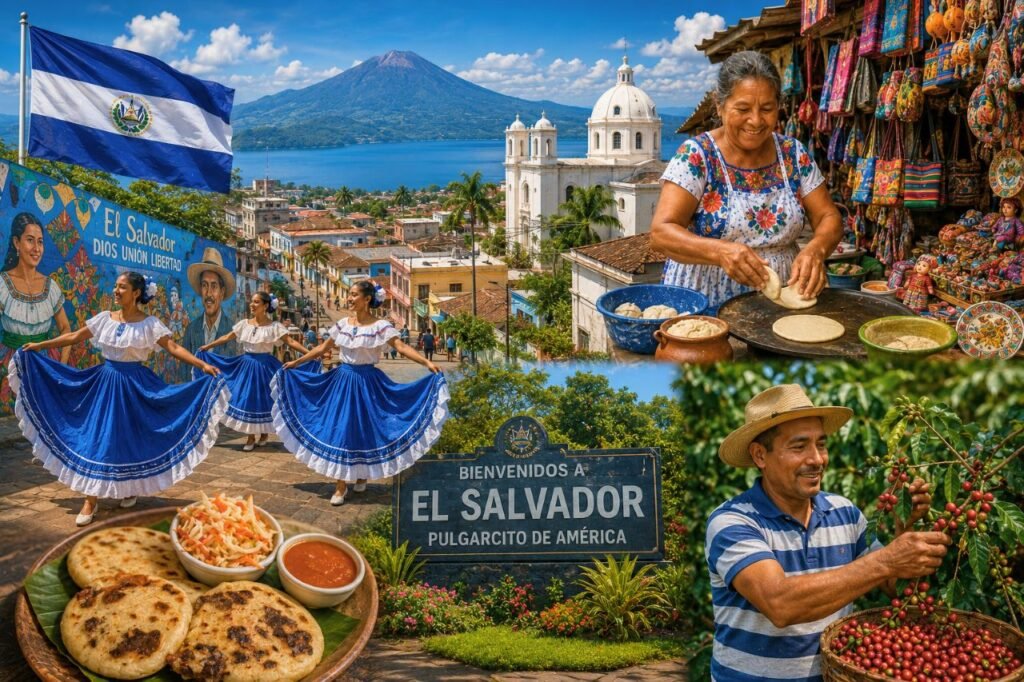
Vibrant cultural collage of El Salvador
National Icons & Cultural Symbols
├── Torogoz (Turquoise-browed Motmot) ── Symbol of Freedom & Avian Beauty
├── Maquilíshuat (Pink Poui Tree) ── National Tree; Vibrant Pink Spring Blooms
└── Izote Flower (Yucca Elephantipes) ── National Flower; Edible Culinary Ingredient
Music, Dance & Art
Salvadoran artistic expression is a direct reflection of the country’s historical journey, bursting with bright colors and syncopated rhythms.
Music and Folk Dance
Salvadoran musical traditions blend indigenous flutes and drums with European strings. Popular folk dances like El Torito Pinto (The Painted Little Bull) and Las Cortadoras (The Coffee Harvest Dancers) playfully recreate daily colonial life, agricultural traditions, and historical mythologies through synchronized choreography. On a modern scale, Salvadorans passionately embrace Cumbia, Salsa, and contemporary Latin pop.
Visual Arts and Crafts
The global face of Salvadoran folk art originates from the mountain town of La Palma, pioneered by legendary artist Fernando Llort.
This style features vibrant, stylized, child-like renderings of daily village life, local wildlife, and traditional adobe homes painted onto wood, ceramic, and copinol seeds. Additionally, the town of Ilobasco is internationally renowned for its masterful clay pottery and intricately detailed miniature figurines (sorpresas).
Summary
The culture of El Salvador stands as an inspiring testament to the strength, creativity, and enduring spirit of its people. From the ancient indigenous traditions of Cuzcatlán to the worldwide recognition of the pupusa, El Salvador’s heritage remains vibrant and evolving. By preserving their historical roots while embracing forward-looking growth, Salvadorans continue to celebrate a distinct identity that enriches the cultural diversity of the global community.
At Best Culture Insight, we see culture as the heartbeat of every society – the way people live, connect, and express their identity.