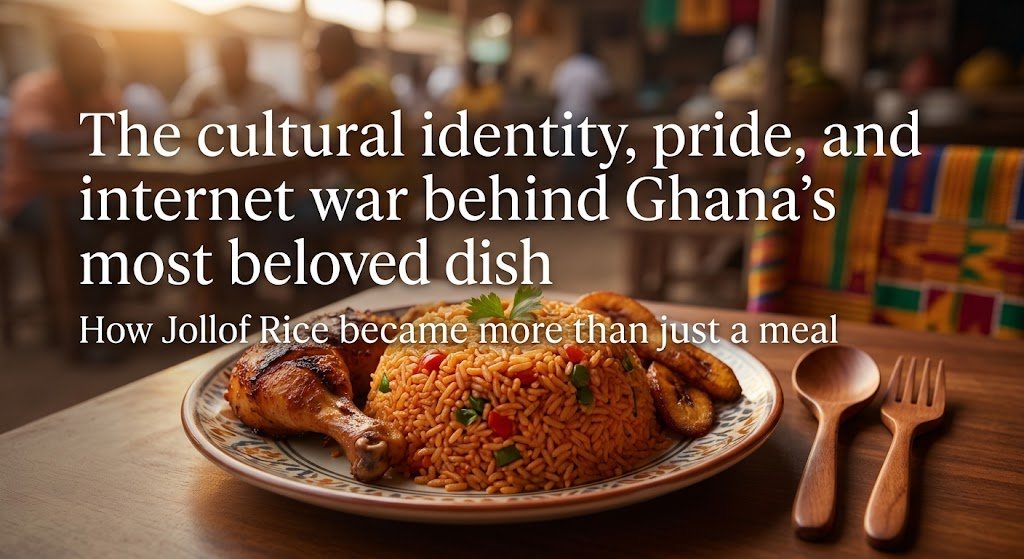

Across West Africa, few culinary creations evoke as much passion, pride, and fierce debate as Jollof rice. In Ghana, this vibrant, tomato-tinted dish is far more than a staple meal—it is a cornerstone of national identity and cultural heritage. Whether served at lavish weddings, Sunday family gatherings, or roadside eateries, Ghanaian Jollof represents warmth, hospitality, and communal unity. However, behind this comforting dish lies a spirited digital rivalry known across social media platforms worldwide as the “Jollof Wars.”
Anatomy of a National Treasure
At its core, Ghanaian Jollof rice is a masterpiece of slow-cooked flavors. Long-grain aromatic rice, typically jasmine or basmati, is gently simmered in a rich, deeply spiced tomato stew. Key ingredients like ginger, garlic, Scotch bonnet peppers, onions, and traditional spices create a complex profile that balances heat, sweetness, and savoriness. The hallmark of authentic Ghanaian Jollof is its distinct smoky aroma, often achieved by allowing the rice to lightly crisp at the bottom of a heavy cast-iron pot during cooking.
The Heartbeat of Ghanaian Celebrations
In Ghana, no major social gathering is complete without Jollof rice. It serves as the culinary centerpiece for life’s most significant moments, from naming ceremonies and birthdays to festivals and state banquets. Sharing a meal of Jollof is considered an invitation into the family circle, symbolizing generosity and community care. For millions of Ghanaians at home and across the global diaspora, the familiar taste of home-cooked Jollof evokes nostalgic memories of childhood celebrations and ancestral roots.
The Spark of the Great West African “Jollof War”
While the origins of Jollof trace back to the Wolof people of Senegal, modern West Africa has seen a lively contest over who prepares the finest version. The rivalry is particularly intense between Ghana and its regional neighbor, Nigeria. What began as lighthearted banter among friends and international students has erupted into an online phenomenon. Dubbed the “Jollof Wars,” this friendly feud dominates social media feeds every year, spawning viral memes, comedy sketches, music tracks, and cooking competitions.
Jasmine vs. Long-Grain: The Culinary Battleground
The debate between Ghanaian and Nigerian Jollof comes down to specific culinary philosophies and ingredients. Ghanaian cooks pride themselves on using fragrant jasmine rice, which absorbs the rich tomato gravy and yields a soft, flavorful texture. In contrast, Nigerian Jollof typically utilizes long-grain parboiled rice, which remains firm and separate, absorbing smoky hardwood flavors during cooking. Each side argues that its choice of rice, spice balance, and cooking technique produces the superior dish.
From Social Media Banter to Global Pop Culture
The Jollof Wars have transcended internet memes to become a celebrated pop-culture landmark. International celebrities, diplomats, and visiting chefs are frequently asked on live television to take a side in the debate, turning a regional culinary rivalry into global entertainment. August 22nd is now widely celebrated across the globe as World Jollof Day, providing food enthusiasts an opportunity to sample different variations and appreciate West Africa’s rich food traditions.
A Shared Heritage Wrapped in Friendly Competition
Despite the fiery debates and playful online trash-talk, the rivalry ultimately highlights a shared cultural connection. Jollof rice bridges national borders, uniting West Africans through a mutual reverence for good food, storytelling, and heritage. Whether cooked over an open firewood flame in Accra or served at a high-end restaurant in London, Ghanaian Jollof stands as a shining testament to how food can inspire national pride, spark joy, and connect cultures across the globe.