
In the rich and complex tapestry of South Sudanese culture, few elements are as pervasive or essential as asida. This staple food, a thick, smooth dough made from sorghum, millet, or maize flour, transcends mere sustenance. It is a unifying force that binds individuals, families, and diverse communities together across the nation. For South Sudan, which has navigated profound historical challenges and ongoing conflict, asida is a potent symbol of resilience, identity, and social continuity. From bustling urban markets to remote villages and displacement camps, it is the one dish that ensures everyone, regardless of background, shares a common connection.
A Simple Foundation for National Unity
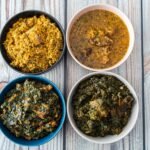
The recipe for asida is elegantly simple, often consisting only of flour and water. Its genius lies in its universality. Every ethnic group across South Sudan incorporates it into their daily diet. Although the specific accompanying stews—ranging from complex okra and peanut butter blends to dried fish and vegetable dishes—may vary by region and taste, the core component remains the same. This shared dietary foundation provides a sense of belonging and cultural consistency in a nation that is otherwise exceptionally diverse. When South Sudanese people sit down to eat, they are all, quite literally, partaking in the same dish.
Communal Dining as a Ritual of Peace
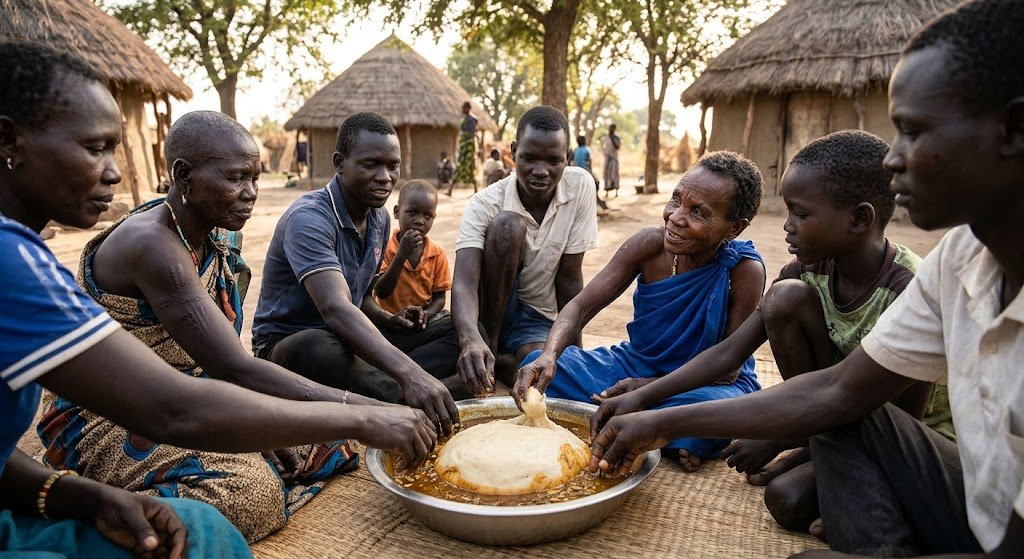
The act of consuming asida is intrinsically communal. In South Sudanese tradition, meals are rarely eaten alone. Asida is served on a large, central platter, intended to be shared. People gather closely on mats, and everyone uses their hands to scoop a small, precise portion of the dough and dip it into the accompanying sauce. This practice of communal dining erases hierarchies and fosters intimacy. It is a powerful non-verbal assertion of mutual reliance and connection. Sharing asida from the same bowl transforms a simple meal into a sacred act of peace and friendship, reinforcing the bonds that maintain social fabric.
Sustenance and Memory During War and Displacement
During periods of war and instability, asida takes on a profound new significance. As conflict has displaced communities from their farms, the availability of sorghum and millet has often been severely compromised. In these challenging contexts, aid organizations and local groups work tirelesly to distribute grain or flour, making asida an essential lifeline. The simple smell of the dough cooking provides a vital link to memories of peace and normalcy. Preparation of the dish becomes a defiant act of cultural preservation. It represents continuity and hope, proving that despite displacement, the core elements of South Sudanese identity remain intact.
Forging Connections Across Conflict Lines
Even during the height of political tension, food has the unique ability to forge bridges. Asida is often the only common ground between opposing groups. When communities from different sides are brought together, often for peace dialogue or reconciliation, it is almost inevitable that asida is served. Sharing a meal of the dish allows individuals to see the humanity in their supposed enemies. Breaking bread—or in this case, dough—side-by-side demonstrates a shared vulnerability and a shared need. Asida doesn’t just nourish; it provides a neutral space for dialogue and empathy.
Celebrating Culture and Transition
Asida is not only a staple of conflict; it is a centerpiece of celebration. It is essential at weddings, naming ceremonies, and other community festivities. During a wedding, the bride and groom may jointly participate in serving asida to signify the two families joining. In some cultures, the first meal served to a new mother is asida, prepared with specific strengthening ingredients. These ceremonies solidify social transitions and ensure that the cultural significance of the dish is passed down to new generations. Asida is there for every major life event, embedding itself into the very structure of life and tradition.
Resisting Crisis and Nourishing the Future
In contemporary South Sudan, asida remains a foundational force. It is the food that anchors children as they learn their traditions. It is the nourishment that allows displaced families to maintain dignity. The entire system—from planting the sorghum to grinding the grain and gathering around the platter—creates countless points of connection. Understanding how asida functions in South Sudan is key to understanding the resilience of its people. As the nation continues its journey toward sustainable peace, asida will undoubtedly continue to be the essential ingredient that holds its diverse and determined communities together.