The Cattle Culture of South Sudan — Where Cows Are Currency, Bride Price and Soul All at Once
Posted in :

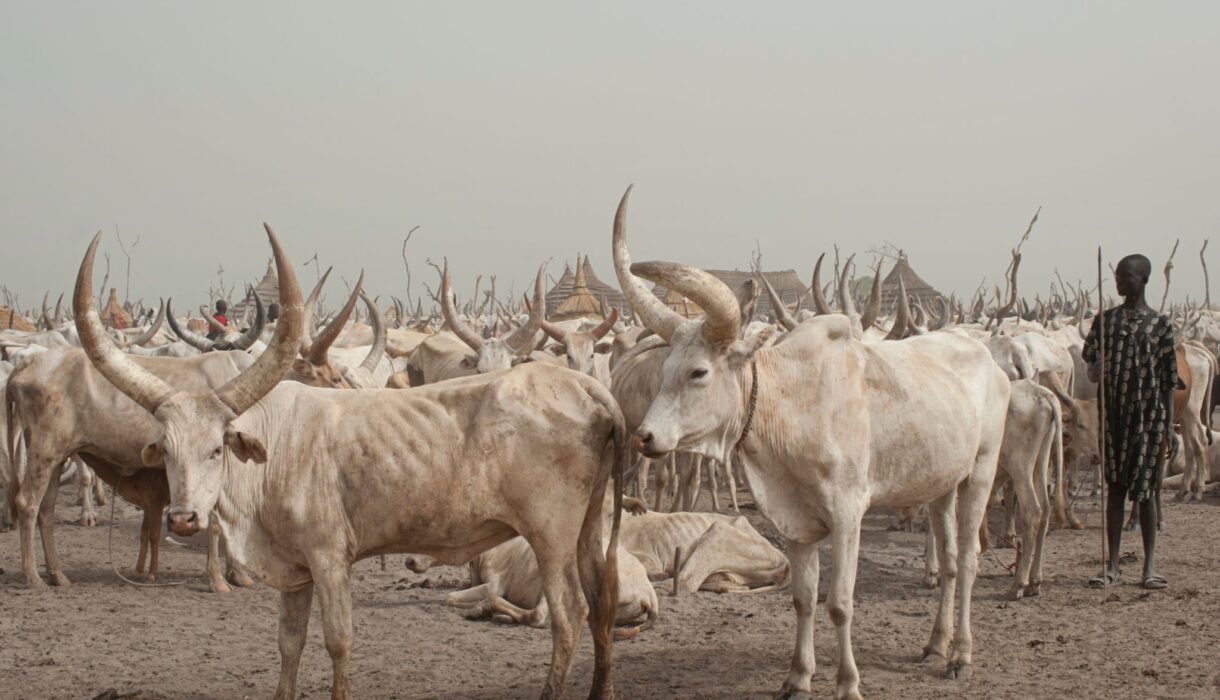
In the floodplains and sprawling savannahs of South Sudan, life revolves around a single, majestic creature: the long-horned Ankole-Watusi cow. For pastoralist ethnic groups like the Dinka, Nuer, and Mundari, cattle represent far more than farm animals or agricultural assets. They are the backbone of the economy, the cornerstone of social justice, and the primary medium through which human beings define their personal identity and spiritual worth. In South Sudan, to own cattle is to possess wealth, status, and a deep connection to the ancestral past.
The Ultimate Living Currency
In a region where modern banking infrastructure is limited, cattle function as a stable, self-multiplying living currency. Financial standing is measured not by paper money or digital account balances, but by the size, health, and beauty of a person’s herd. A single prize bull can be worth thousands of US dollars. Cattle are used to settle business transactions, pay compensation for legal disputes, and serve as financial safety nets during times of drought or economic instability.
Bride Price and the Building of Alliances
Cattle play a central role in marriage and family formation across South Sudanese pastoralist communities. Through the custom of bride price, a groom and his family transfer a negotiated number of cows—often ranging from dozens to over a hundred animals—to the bride’s family. This exchange is not viewed as buying a spouse, but rather as a sacred legal contract that unites two extended families, validates the legitimacy of children, and redistributes wealth throughout the broader community.
An Intimate Spiritual and Personal Connection
Perhaps the most remarkable aspect of this culture is the profound psychological bond between herders and their animals. From early childhood, young men are given a specific bull as an identity companion. Herders compose songs praising their favorite cows, decorate their horns, and take their own personal names from the color patterns, horn shapes, or physical traits of their prize animals. Dusting themselves with white ash from burned cow dung to protect against insects, young men sleep alongside their herds in seasonal camps, demonstrating a level of devotion rarely seen elsewhere in the world.
Daily Life in the Cattle Camps
Life inside a seasonal cattle camp operates on a rhythmic, timeless schedule centered around animal care. Every morning, camp members tend to the herd, using smoke from burning fires to keep flies away and applying ash to keep the animals clean and healthy. Milk provides a daily nutritional foundation, while cattle urine is used as a natural antiseptic and hair dye. Because cattle are so revered, they are almost never slaughtered purely for everyday meat; instead, they are consumed only during major ceremonial occasions, sacrifices, or times of severe necessity.
The Challenge of Preserving Tradition Amid Modern Conflict
While cattle remain a source of immense pride, they also lie at the center of complex socio-economic challenges. Rising bride prices, environmental pressures from climate change, and the historical proliferation of small arms have heightened competition over grazing lands and water sources. Cattle raiding, which was once governed by strict traditional elders using spears, has in some areas become more volatile. Nevertheless, peacebuilders and community leaders are actively working to restore traditional dispute resolution mechanisms to safeguard both the livestock and human lives.
A Way of Life That Defies Modern Standardization
The cattle culture of South Sudan stands as one of humanity’s most enduring examples of complete harmony between humans and livestock. In this unique society, a cow is never just livestock—it is a bank account, a diplomatic bridge, a source of daily sustenance, and a reflection of the human soul. Understanding this deep-seated bond offers invaluable insight into the history, resilience, and rich cultural heritage of South Sudan.