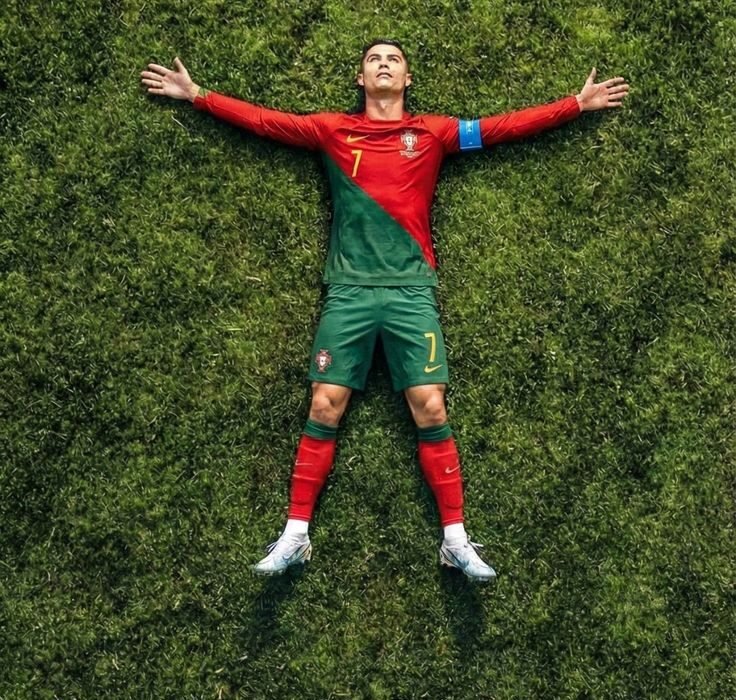

The 2026 FIFA World Cup group stage has once again proven that write-offs in international soccer are entirely premature, especially when dealing with legendary figures. Cristiano Ronaldo’s journey in the opening matches for Portugal perfectly illustrated the fine line between intense media criticism and absolute sporting redemption. After a lackluster first match that left fans and pundits questioning his place in the starting lineup, the iconic forward completely reversed the narrative just days later. This striking contrast serves as a definitive case study in elite athletic resilience on the world’s biggest stage.
The Game One Phantom: Silenced by DR Congo
Portugal’s tournament opener against the Democratic Republic of Congo ended in a frustrating 1-1 draw, a match where Ronaldo was largely invisible. Playing the full 90 minutes, the veteran striker struggled to break through a highly disciplined Congolese defensive block, managing only two shots and failing to find the back of the net. Critics immediately flooded the headlines, describing his performance as a “ghostly” presence that hindered the fluidity of Portugal’s younger, dynamic midfield. The narrative was set, with many suggesting that the 41-year-old’s historic era at the international level had finally reached its sunset.
The Game Two Resurrection: Dominance Against Uzbekistan
Football history has shown time and again that provoking Ronaldo usually leads to a swift response, and the second group match against Uzbekistan was his definitive answer. In a masterclass of positioning and lethal finishing, Ronaldo transformed back into a footballing deity, spearheading a spectacular 5-0 victory for Portugal. He registerd seven aggressive shots, dictating the tempo of the final third, and netting a crucial brace. His two goals completely dismantled Uzbekistan’s game plan, immediately silencing the skepticism that had built up over the preceding week.
Managing Expectations in the Modern Era
The extreme shift in public perception between Game One and Game Two highlights the reactionary nature of modern sports journalism and SEO-driven narratives. For elite athletes, a single quiet match is frequently labeled a permanent decline, while a multi-goal performance is instantly heralded as divine mastery. In reality, Ronaldo’s contrasting performances underscore the importance of tactical adjustments, team chemistry, and physical recovery within short tournament structures. Rather than judging a player’s entire legacy on 90 minutes, tournament longevity requires evaluating how tactical systems adapt to unlock their star assets.
Looking Ahead to the Knockout Stages
With Portugal firmly back on track, Ronaldo’s resurgence provides a massive psychological boost for the squad as they prepare for deeper tournament runs. The technical staff’s ability to pivot from the stale attacking patterns of the first game to the fluid, high-scoring masterclass of the second shows that Portugal possesses the tactical depth to contend for the trophy. As the competition intensifies, Ronaldo has reminded the footballing world of an unwritten law: never count out a champion who knows exactly how to turn a moment of heavy criticism into an unforgettable masterclass.