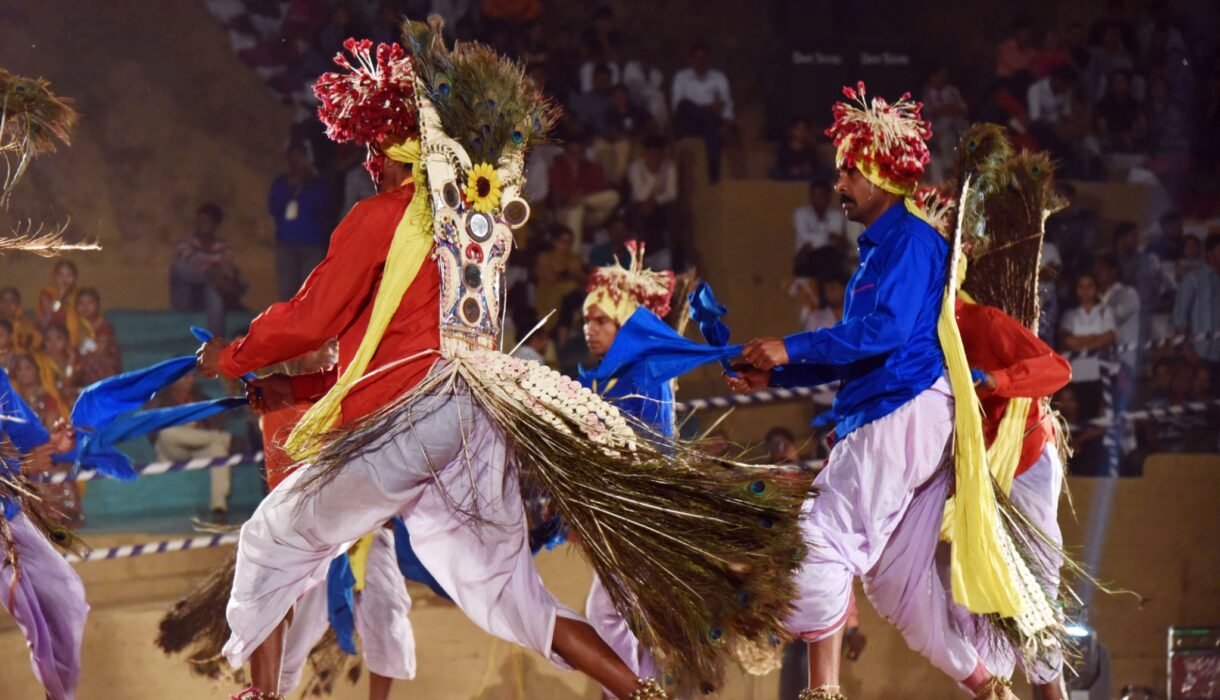

Long before the invention of written text, humanity found a way to record its history, values, and triumphs through the rhythm of movement. Dance is far more than physical entertainment; it is a universal, living archive that captures the soul of a community. Every stomp of a foot, sway of a hip, and gesture of a hand carries a profound narrative passed down through generations. By examining a society’s traditional movements, we gain an unfiltered window into their worldview, geography, and historical struggles, proving that the human body is one of the world’s most powerful storytelling tools.
Reflecting Geography and Daily Survival
The physical environment of a community heavily shapes the mechanics of its cultural dances. In mountainous or agricultural regions, traditional movements often mimic the strenuous acts of farming, harvesting, or navigating rugged terrain. For instance, many coastal and island cultures feature fluid, waving motions that mirror the ebb and flow of the ocean that sustains them. These dances serve as an artistic record of how a people interacted with their environment, effectively turning daily routines of survival into celebrated, rhythmic rituals that remind younger generations of their roots.
Preserving History and Social Milestones
Dance also functions as a community’s historical textbook, capturing major milestones and societal values without relying on written words. Across many global heritages, specific choreographies are reserved exclusively for rites of passage, such as marriages, successful hunts, or victorious battles. When a community performs these routines, they are actively reenacting their ancestry and honoring the virtues of courage, unity, or fertility that kept their society intact. It is a kinetic preservation of history, ensuring that the legacy of those who came before remains vivid and relevant today.
Overcoming Adversity and Expressing Resilience
Perhaps the most poignant stories told through dance are those of survival and resilience in the face of oppression. When language, religion, or freedom are stripped away by external forces, dance frequently becomes a hidden vehicle for resistance and cultural preservation. Movements can carry coded messages, secret spiritual practices, or expressions of shared grief and hope that rulers cannot easily suppress. This transformative power allows marginalized groups to maintain their identity, turning dance into a defiant declaration of existence and a celebration of enduring strength against all odds.
A Living Connection to Shared Identity
Ultimately, dance serves as the ultimate glue for cultural identity, continuously evolving while staying anchored to its origin story. As communities migrate and adapt to modern times, their dances fuse with new influences, yet the core rhythm remains a distinct signature of where they come from. It is an emotional language that requires no translation, allowing people to feel a deep sense of belonging the moment the music starts. By keeping these physical stories alive, cultures ensure that their unique perspective on the world is never forgotten, but rather celebrated on the global stage.