The Ibibio and Efik peoples of Nigeria’s South-South region share a profound historical bond, often grouped together due to their geographic proximity and beautifully intertwined languages. To an outsider, their shared love for rich seafood delicacies, identical naming conventions, and shared social institutions might make them seem completely identical. However, beneath this harmonious surface lie
Nigeria is globally celebrated as a magnificent tapestry of over 250 ethnic nationalities, each boasting unique customs, languages, and historical legacies. When exploring the foundational roots of this diverse nation, historians, linguists, and archaeologists frequently point to one group as the earliest established continuous inhabitants: the Ijaw (Ijo) people. Primarily settling the rich, labyrinthine waterways
The Ibibio people stand out as one of the most resilient and culturally distinct ethnic groups in West Africa. Predominantly inhabiting the lush, palm-covered terrains of Akwa Ibom and Cross River states in Southern Nigeria, they represent the fourth largest ethnic group in the country. Renowned for their intricate woodcarvings, profound governance structures, and deep
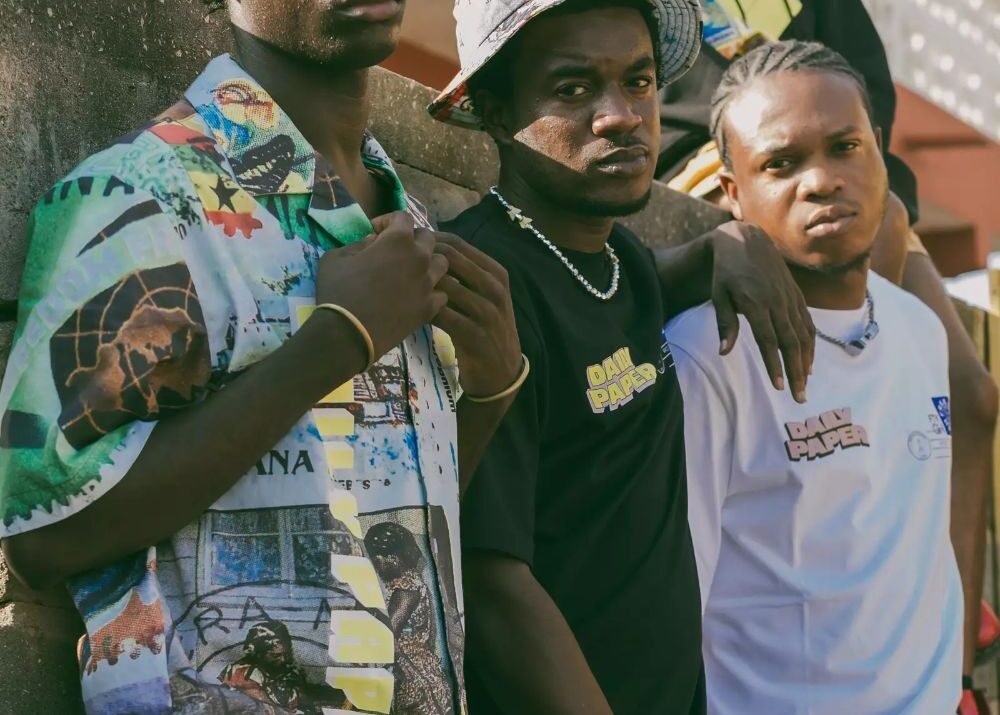
The global fashion landscape is undergoing a profound and permanent transformation, driven by the creative power of the African continent. For decades, the international fashion industry viewed African styles through a limited, Eurocentric lens, often treating indigenous textiles as mere novelties. Today, a dynamic generation of African designers is rewriting these style codes on major
South Africa’s economic landscape is a fascinating study in contrast, holding the title of Africa’s most industrialized and technologically advanced market while grappling with deep-seated structural issues. The nation boasts a sophisticated financial sector, abundant natural resources, and world-class infrastructure. However, this economic maturity coexists with staggering inequality and fiscal bottlenecks. Understanding South Africa’s true
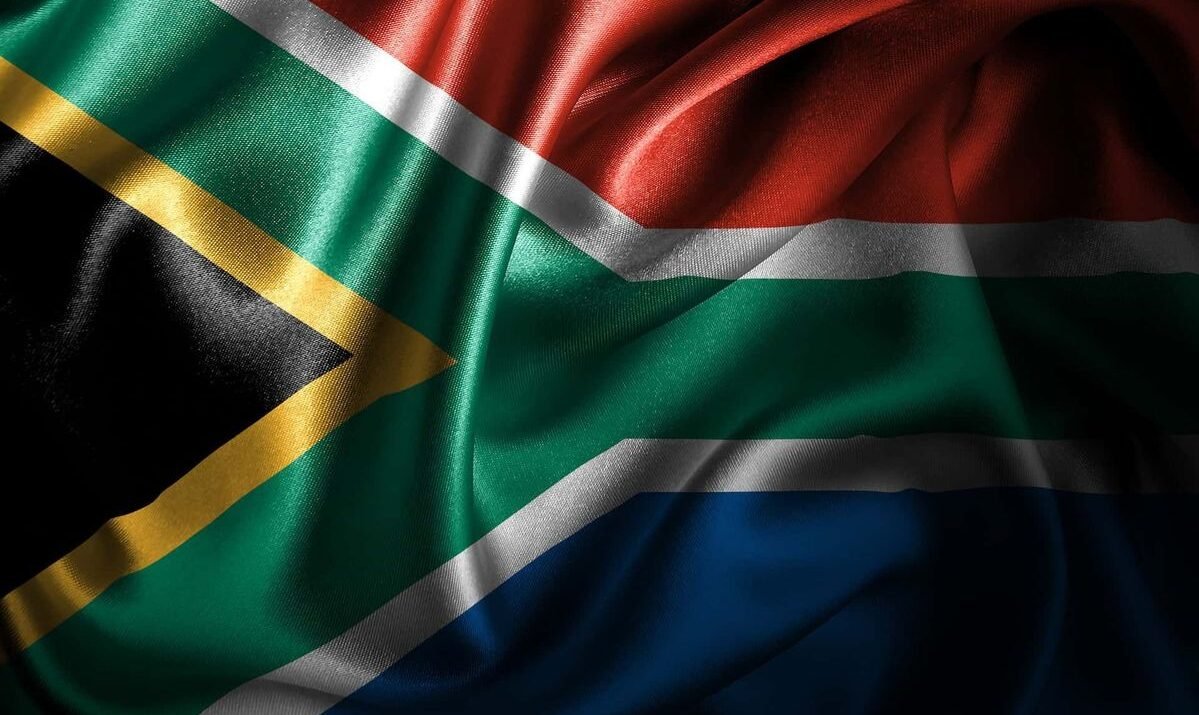
South Africa’s transition from the oppressive system of apartheid to a vibrant democracy in 1994 stands as one of the most remarkable political milestones of the 20th century. Spearheaded by iconic leaders like Nelson Mandela, the birth of the “Rainbow Nation” promised equal rights, freedom, and a shared future for all citizens regardless of race.
South Africa is famously known as the “Rainbow Nation,” a term that highlights its incredible mix of cultures, languages, and traditions. Beyond the well-known tourist attractions and historical landmarks lies a deeper, untold story of how this intense diversity actually functions as the heartbeat of daily life. With twelve official languages—including Zulu, Xhosa, Afrikaans, and
In an increasingly connected world, a quiet crisis seems to be unfolding in our daily interactions: the steady erosion of basic respect. Historically, respect was the foundational glue holding communities together, dictating how we honored elders, valued neighbors, and treated strangers. Today, however, changing social dynamics, shifts in family structures, and rapid technological advancements have
Long before the invention of mobile networks and instant messaging, southeastern Nigeria thrived on highly sophisticated, organic communication systems. Igbo communities relied on a flawless blend of sound, symbolism, and trusted social networks to transmit news across vast distances. Far from being isolated, villages maintained a deep, real-time interconnectedness that ensured everyone—from farmers in distant