

In the traditional worldview of the Ibibio people of southern Nigeria, the boundary between the physical world and the spiritual realm is incredibly thin. Central to this belief system is a profound reverence for ancestral spirits, who are viewed not as dead and forgotten, but as active, living guardians of their communities. To bridge the
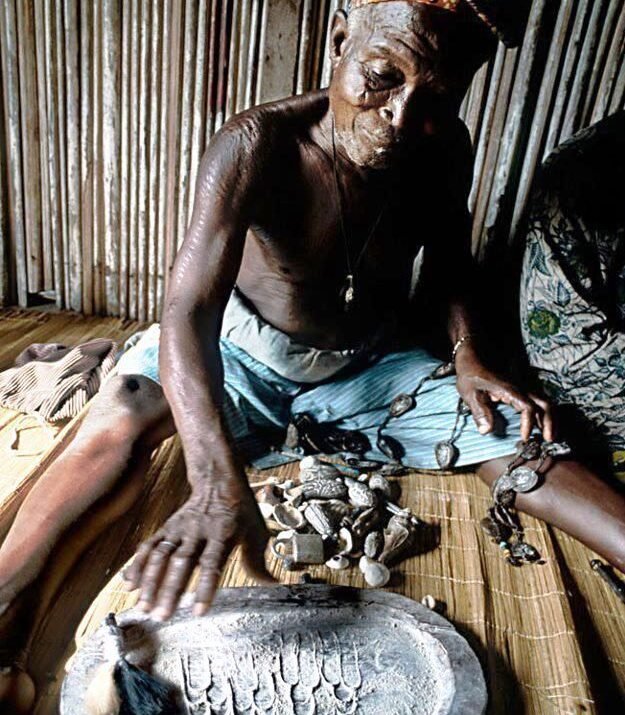
The Ibibio people of Nigeria possess a deeply spiritual worldview where the physical and spiritual realms are constantly in dialogue. At the center of this cultural heritage is the Abia Idiong, a highly revered traditional diviner and priest. The term Abia Idiong refers to a practitioner who has been initiated into the Idiong society—an elite
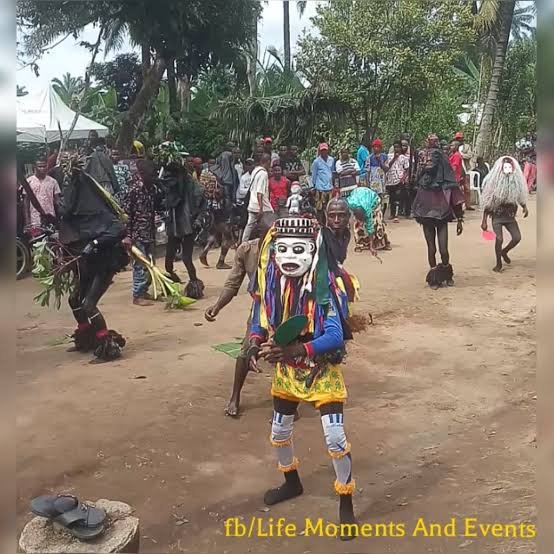
The relationship between Christianity and Ibibio Traditional Religion (ITR) is a fascinating study of cultural collision and adaptation. For over a century, the Ibibio people of Nigeria have balanced the tenets of a Western-introduced faith with an ancient, indigenous belief system. While Christianity is now the dominant religion in the region, the remnants of traditional
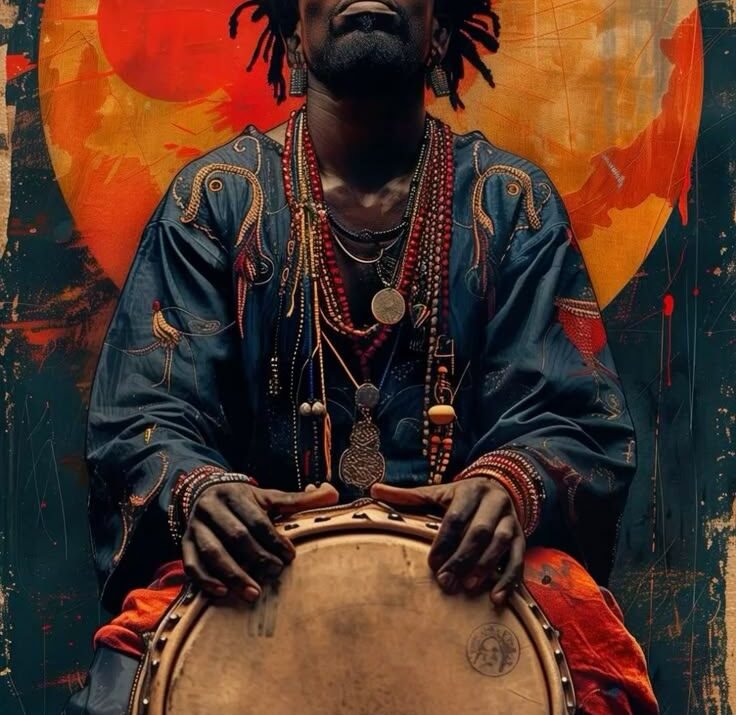
In the traditional cosmological belief system of the Ibibio people of southern Nigeria, existence is governed by a profound duality between the heavens and the terrestrial world. At the center of this spiritual ecosystem are two primary deities: Abasi Onyong (the God of the Sky) and Abasi Isong (the God of the Earth). While Abasi
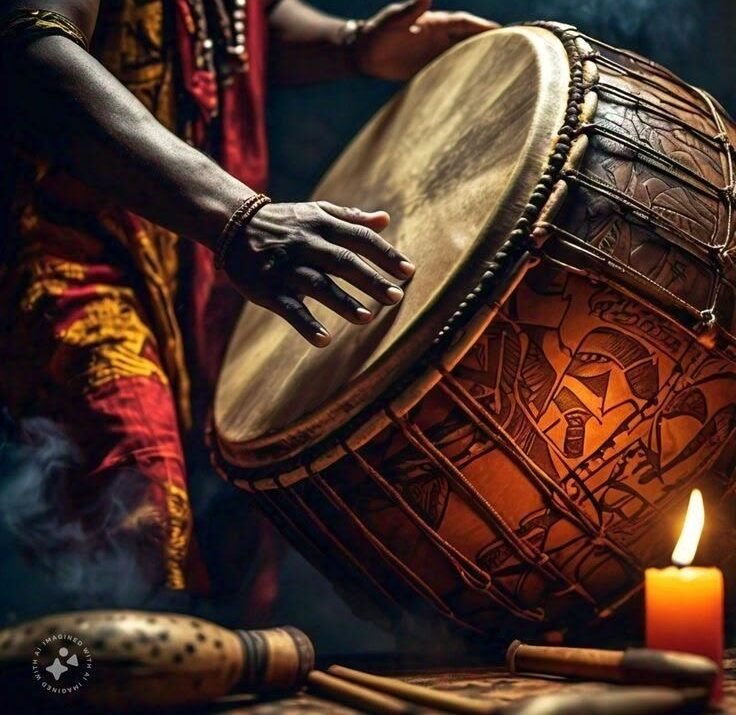
In the traditional religious world of the Ibibio people of southern Nigeria, spirituality is a deeply organized and reverent experience. Long before the introduction of Western religion, the Ibibio practiced a structured form of monotheism centered on a single Supreme Being. This ultimate deity is known as Abasi Enyong, which translates literally to the “God
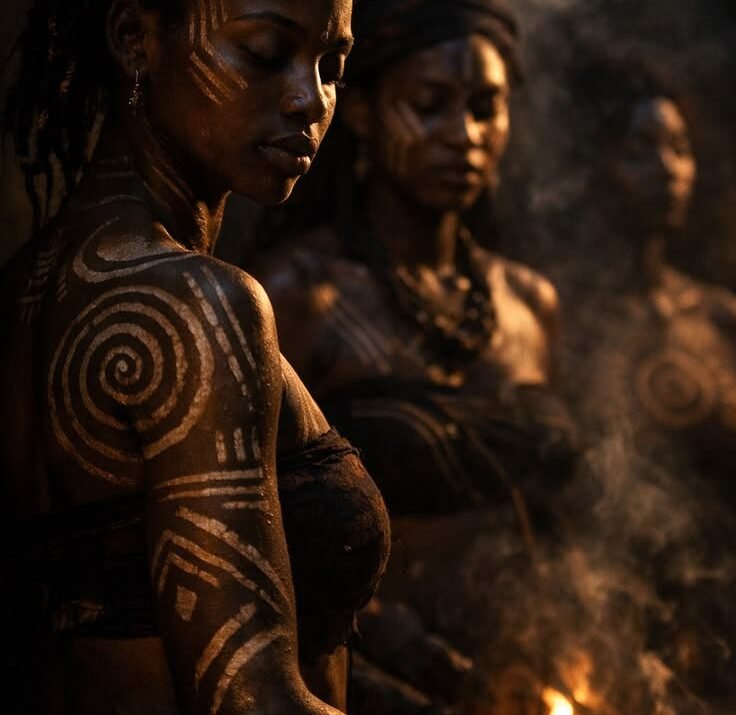
The Ibibio people of southern Nigeria possess a deeply structured and sophisticated indigenous belief system that has guided their worldview for centuries. Long before the arrival of Western missionaries, Ibibio society operated on a complex spiritual framework where the physical and metaphysical worlds continuously intersected. This traditional religion, closely tied to the cycle of human
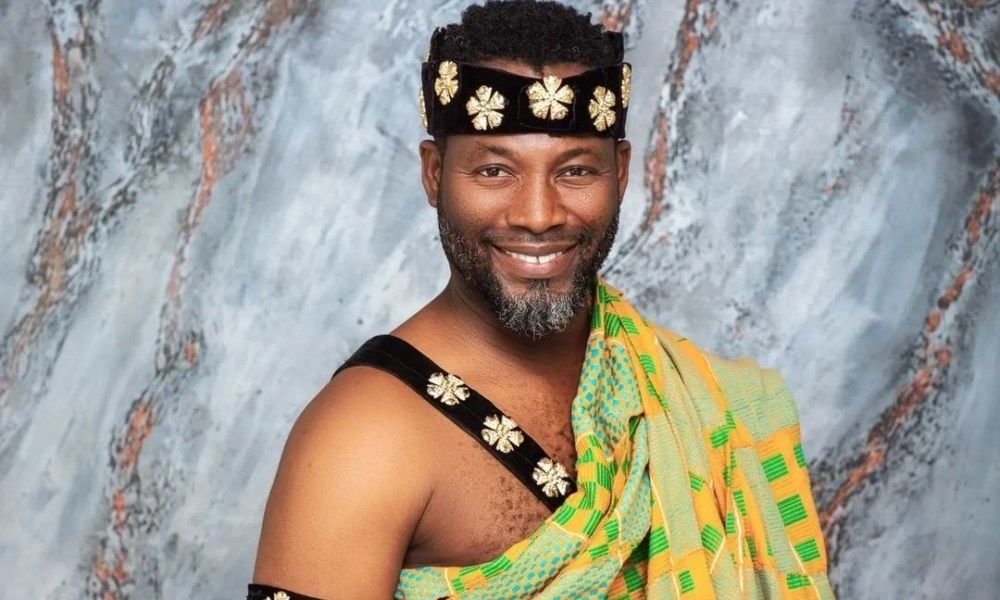
The southeastern coastal region of Nigeria is home to a magnificent tapestry of closely knit cultures bound by a shared ancestry and overlapping linguistic heritage. Often broadly referred to as the Ibibiod family, this ancestral cluster is anchored by the Ibibio—recognized as one of the most ancient ethnic nationalities in Nigeria. Over centuries of migration,
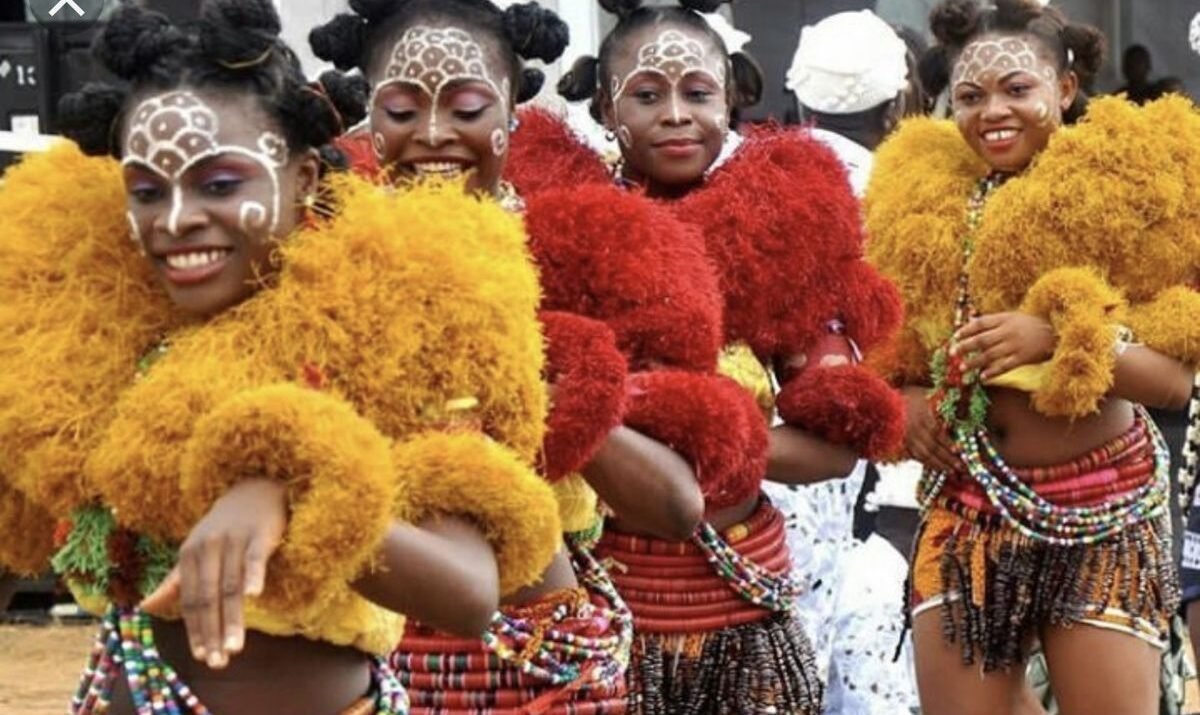
The Ibibio people of southern Nigeria, primarily inhabiting modern-day Akwa Ibom and Cross River states, hold the distinction of being one of the most ancient ethnic groups in the country. Renowned for their rich artistic expressions, powerful traditional societies, and deep agricultural heritage, their cultural footprint is undeniable. However, for many observers and history enthusiasts,
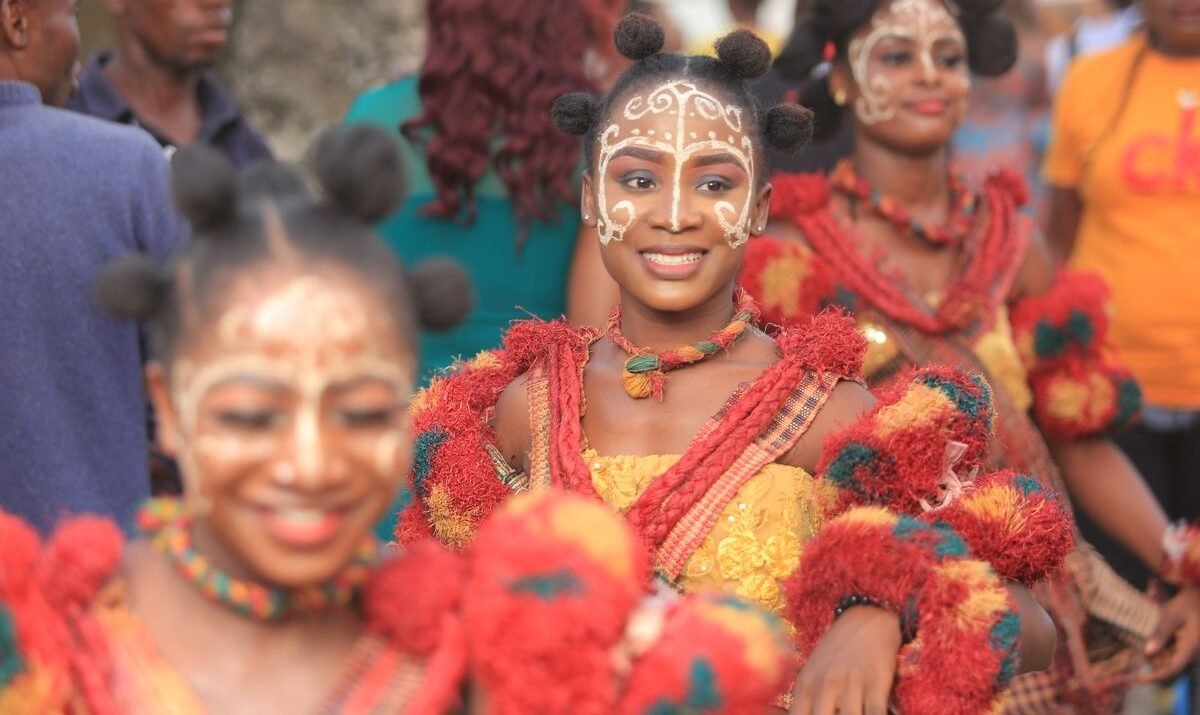
Nigeria is celebrated as Africa’s most populous nation and a vibrant mosaic of cultural diversity, home to hundreds of distinct ethnic groups. While the global spotlight frequently lands on the country’s three largest major ethnicities, the Ibibio people stand out as a highly influential, historically rich, and sizable population in the coastal southeastern region. Primarily