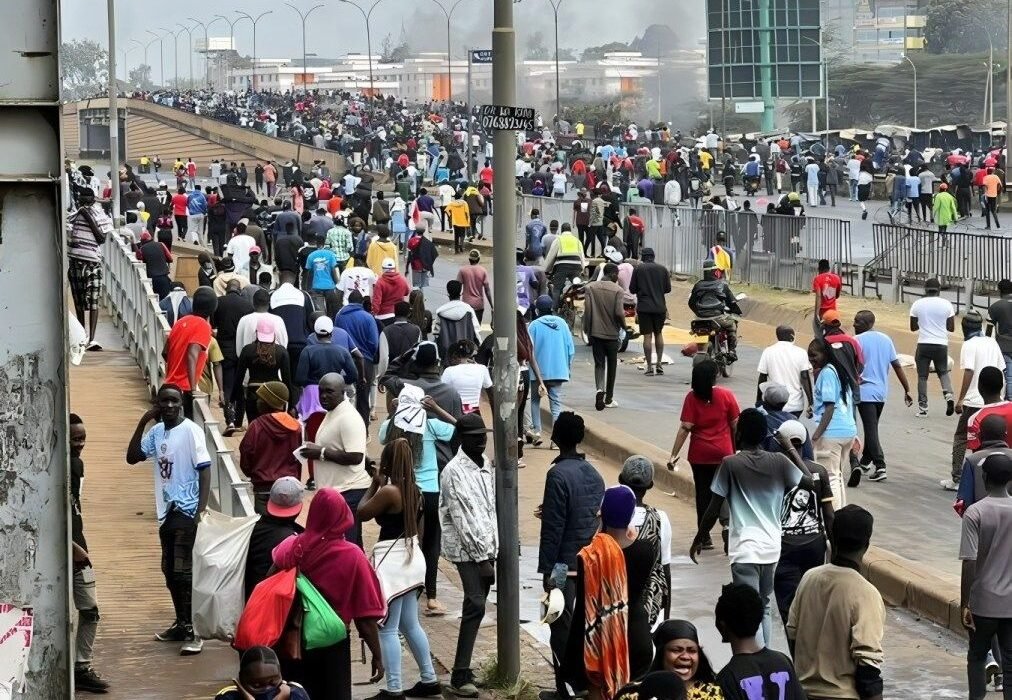

A powerful wave of fuel protests has swept across the globe, fundamentally disrupting supply chains, halting transportation networks, and testing the resilience of governments. Sparked by massive price shocks in the energy sector—exacerbated by international conflicts and the bottlenecking of crucial maritime trade routes like the Strait of Hormuz—the cost of gasoline and diesel has surged to historic highs. For everyday citizens, truckers, and farmers, this spike is not just a statistical fluctuation; it is an immediate threat to their livelihoods, igniting widespread demonstrations from Europe to Asia.
The Trigger: Why Pump Prices Sparked a Wave
At the heart of the current unrest is a simple equation: when fuel prices skyrocket, the cost of everything else follows. Energy costs act as a foundational domino in the global economy, directly driving up the prices of food production, public transit, and consumer goods. In places like Ireland, where severe fuel blockades recently paralyzed major cities and distribution centers, transport-dependent workers and agricultural contractors reached a breaking point as diesel costs eroded their profit margins overnight. This shared financial desperation has united diverse labor sectors, transforming localized economic frustration into a highly coordinated international phenomenon.
Disruption and the Anatomy of the Blockade
The tactics defining this modern wave of protests rely heavily on high-impact economic disruption. Rather than traditional marching, demonstrators are increasingly utilizing heavy machinery—such as tractors, commercial haulage trucks, and commuter vehicles—to block access to critical infrastructure, including oil refineries, major shipping ports, and arterial highways. While these strategic blockades effectively force governments to the negotiating table, they also carry severe side effects, frequently resulting in localized fuel shortages at service stations, immense traffic gridlock, and logistical delays for emergency services.
Government Responses and Policy Trade-Offs
Faced with mounting societal pressure, administrations worldwide are scrambling to deploy emergency measures to ease the burden on consumers. Many nations have turned to short-term financial interventions, including rolling back environmental or carbon taxes, implementing strict price caps, and slicing excise duties on fuel products. Concurrently, public energy trackers reveal that leaders are enacting crisis policies to curb national consumption, such as enforcing strict temperature limits in public buildings, rolling out remote-work mandates, and fast-tracking transitions to alternative power grids. However, these temporary fixes often place a heavy strain on national budgets and complicate long-term climate initiatives.
Looking Ahead to a Vulnerable Future
Ultimately, the global fuel-protest wave serves as a stark reminder of humanity’s deep and fragile reliance on fossil fuels. As long as localized geopolitical conflicts retain the power to dictate global energy security, the economic stability of households worldwide remains at risk. Resolving this cycle of volatility requires more than short-term financial subsidies; it demands a structural rethink of energy independence. Until global markets successfully diversify and transition toward more resilient, localized energy systems, the threat of the next inflationary spark—and the inevitable wave of public resistance that follows it—remains just around the corner.