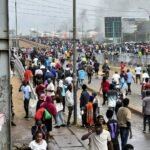

South Africa, a nation celebrated for its landmark transition to democracy and its progressive constitution, faces an enduring, complex internal challenge: recurring waves of xenophobic unrest. Often referred to as the “Rainbow Nation,” South Africa attracts millions of migrants, refugees, and asylum seekers from across the African continent and Asia who are searching for safety and economic opportunity. However, beneath the surface of this diverse society lies deep-rooted social friction. Periodic eruptions of violence, displacement, and organized anti-immigrant campaigns continue to threaten the country’s social fabric and tarnish its international reputation.
The Socioeconomic Undercurrents of Frustration
At the absolute core of South Africa’s anti-foreigner sentiment is a volatile mix of severe economic hardship and deep-seated systemic frustration. The country struggles with a stubbornly high unemployment rate that surpasses 30%, disproportionately affecting the youth and low-income communities. In many crowded townships, vulnerable local citizens compete directly with foreign nationals for scarce informal jobs, affordable housing, and limited public healthcare resources. This economic desperation creates a fertile breeding ground for populist narratives, allowing opportunistic groups to shift the blame from long-term government failures to the migrant population.
The Rise of Organized Vigilantism and Digital Mobilization
What was once characterized by spontaneous, localized flare-ups of community violence has increasingly evolved into highly structured, calculated campaigns. Powerful anti-immigrant vigilante movements use sophisticated social media drives to coordinate activities and amplify hostile rhetoric. These groups take the law into their own hands by conducting unauthorized door-to-door raids, shutting down foreign-owned shops, and blocking non-citizens from accessing essential public health facilities. By leveraging the power of online algorithms, these movements rapidly assemble aggressive mobs, pushing local communities toward volatile standoffs that threaten to bypass the authority of state law enforcement.
A Fracturing Front: Continental Diplomatic Fallout
The domestic crisis carries heavy geopolitical consequences, threatening South Africa’s status as a diplomatic and economic leader on the African continent. When foreign nationals are displaced or harmed in these attacks, neighboring countries react with immense concern and outrage. Governments across Southern and West Africa—including Nigeria, Malawi, and Mozambique—frequently launch emergency repatriation efforts to safely evacuate their citizens from hostile zones. This continuous friction creates severe diplomatic rifts within the African Union, exposing a painful irony: a nation once saved from the grip of Apartheid through pan-African solidarity is now perceived as unsafe for fellow Africans.
Navigating the High-Stakes Path Forward
Resolving this systemic crisis requires the South African government to perform a very delicate, high-stakes balancing act. Authorities face immense pressure to overhaul immigration enforcement, eliminate corruption within border control agencies, and establish speedy legal channels for undocumented cases. Simultaneously, the state must aggressively crack down on unlawful vigilantism and enforce the rule of law without compromise. True stability, however, cannot be achieved through policing alone. Until South Africa successfully addresses the root causes of its economic inequality and implements long-term development programs, the cycle of scapegoating and unrest will remain an ongoing threat to national peace.