The Mossi Kingdom of Burkina Faso Has Existed for 600 Years and Still Has a Living King
Posted in :

When people think of ancient monarchies that have stood the test of time, places like Great Britain, Japan, or Morocco often come to mind. However, hidden in the heart of West Africa lies a royal dynasty with a history just as rich, resilient, and influential. The Mossi Kingdom, located in modern-day Burkina Faso, was founded over six centuries ago in the 15th century. Remarkably, while many ancient empires dissolved into historical textbooks, the Mossi monarchy remains alive, active, and deeply respected to this very day.
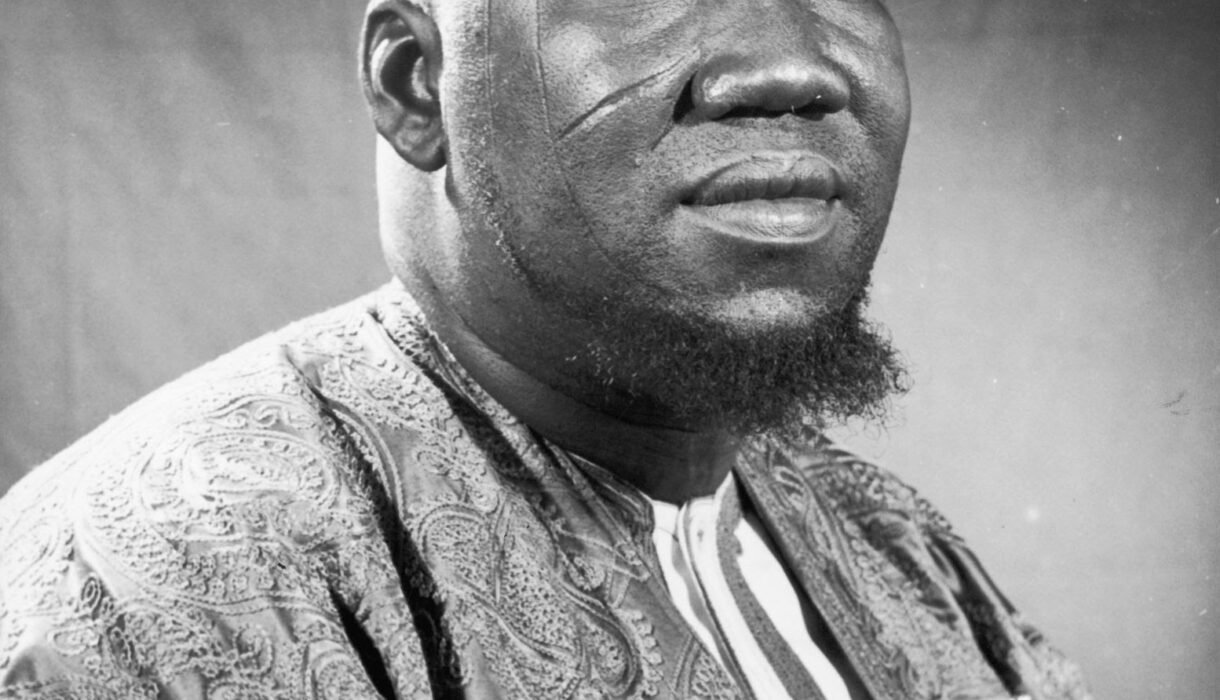
At the pinnacle of this enduring traditional state sits a living monarch: the Mogho Naba, a title translating to “King of the World” or “Lord of the Earth” in the native Mooré language. The current ruler, Naba Baongo II, is the 37th sovereign in a continuous line of Mossi kings. Residing in his royal palace in Ouagadougou—Burkina Faso’s national capital—the king serves as a living bridge between a storied pre-colonial past and the complexities of modern West African governance.
Legendary Foundations: The Saga of Princess Yennenga
The origins of the Mossi Kingdom read like an epic tale of strength and destiny. According to centuries of oral tradition, the kingdom owes its lineage to Princess Yennenga, a famous 12th-century warrior woman from the Dagomba kingdom (in modern Ghana). Known as a fierce fighter who commanded her own cavalry, Yennenga eventually ventured north on horseback, where she met a local hunter named Riale.
Their union produced a son named Ouedraogo (meaning “Male Horse”), who grew up to unify the surrounding communities and lay the foundation for the Mossi civilization. Over the next two centuries, Ouedraogo’s descendants established several interconnected kingdoms across the Upper Volta river basin, with the kingdom of Wogodogo (Ouagadougou) ultimately emerging as the dominant political authority.
Resisting Empires: A Shield of West Africa
During the Middle Ages and early modern period, the Mossi Kingdom developed a highly centralized political system and a formidable military corps. While neighboring empires like the Songhai fell to rival powers or external invasions, the Mossi cavalry successfully defended their borders against rival empires, Islamic conquests, and foreign encroachment for hundreds of years.
Their geographic location and military discipline allowed the Mossi to remain independent while building robust commercial trade networks with neighboring coastal and desert powers. It was not until the late 19th century, during the European “Scramble for Africa,” that French colonial forces managed to establish control over the region. Yet, unlike many traditional kingdoms that were dismantled by colonial administrations, the core structure of the Mossi monarchy proved far too influential to eradicate.
The Weekly Ritual: The Friday “False Departure”
Centuries of tradition are preserved through remarkable weekly rituals at the royal palace in Ouagadougou. Every Friday morning, visitors and local residents gather to witness a historic ceremony known as the False Departure (Faux Départ). During this ritual, the Mogho Naba emerges from his palace dressed in bright red robes, mounting a horse as if preparing to lead his army into battle.
Moments later, his court ministers and subjects plead with him not to leave, urging him to stay and keep the peace in the realm. The king dismounts, re-emerges dressed in white robes—symbolizing peace—and returns inside to hold court. This symbolic ritual reenacts a pivotal moment in Mossi history when an early king resolved to wage war to retrieve a stolen sacred item, but was persuaded by his people to choose peace over destruction instead.
Modern Power: The Ultimate Moral Authority
While Burkina Faso operates today as a constitutional republic, the constitutional government does not diminish the traditional authority of the king. In fact, the Mogho Naba is widely regarded as the country’s most respected moral authority and traditional mediator. When political tensions rise or national crises threaten stability, government leaders, military officials, diplomats, and religious authorities frequently seek counsel at the palace.
During national unrest in 2015, King Naba Baongo II famously intervened as a neutral mediator, facilitating dialogue between rival factions and helping the nation avoid widespread political violence. His role demonstrates how ancient traditional institutions can complement modern governance by providing a calming, non-partisan anchor during turbulent times.
Preserving Culture for the Next Generation
In a world experiencing rapid globalization, the Mossi Kingdom stands as an enduring symbol of cultural preservation and pride. The palace operates with its own traditional cabinet ministers—such as the Larlé Naba (minister of custom and communication) and the Baloum Naba (head of palace affairs)—maintaining centuries of governance wisdom alongside the modern state