The La Sape Culture of Congo-Brazzaville — Where a Suit Is a Manifesto Against Oppression
Posted in :

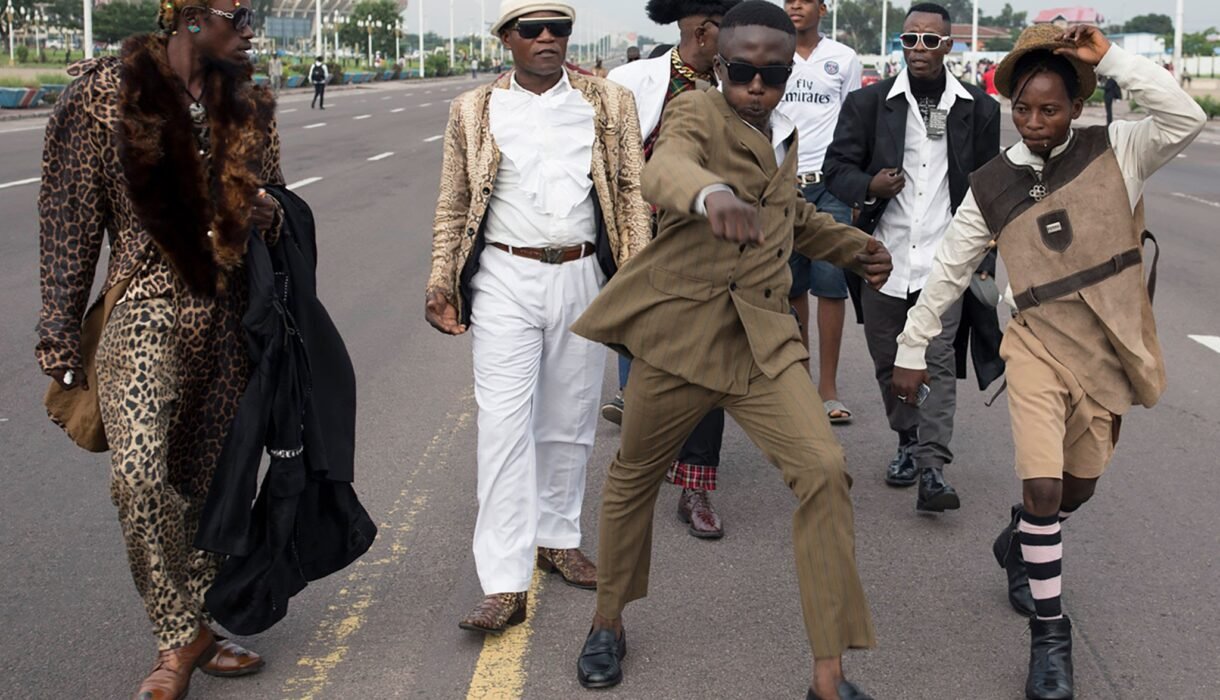
On the dusty streets of Brazzaville, the capital of the Republic of the Congo, vibrant colors cut through the gray urban backdrop. Men and women step gracefully down unpaved roads, wearing tailored French suits, silk ties, polished leather shoes, and fedoras. These individuals belong to the Société des Ambianceurs et des Personnes Élégantes—the Society of Ambiance-Makers and Elegant People—commonly known as La Sape. To a casual observer, it might look like a mere fashion show, but in reality, every step, strut, and fabric choice is a bold statement of identity, peace, and peaceful rebellion.
The Colonial Roots of Subversive Elegance
The origins of La Sape trace back to the early twentieth century during French colonial rule. French administrators used tailored European clothing as a tool to project authority, superiority, and civilization. However, Congolese domestic workers and soldiers who were paid or gifted second-hand garments quickly turned this dynamic on its head. By wearing European high fashion with superior flair and creativity, Congolese youth hijacked the master’s uniform, effectively signaling that elegance and dignity were not the exclusive privilege of foreign oppressors.
Reclaiming Dignity Amidst Economic Hardship
Following independence, Congo endured decades of political instability, civil conflict, and severe economic challenges. In neighborhoods where basic infrastructure remains underdeveloped, the sight of a sapeur wearing an immaculate designer suit presents a striking contrast. Rather than representing shallow vanity, dressing well becomes a deliberate psychological defense mechanism. It allows ordinary working-class citizens—taxi drivers, carpenters, and market vendors—to claim self-worth, respect, and joy regardless of their material circumstances.
The Strict Code of Conduct and Peacefulness
La Sape is governed by a strict moral code that goes far beyond aesthetics. True sapeurs hold a deep commitment to non-violence, polished manners, and community respect. In a country that has been scarred by armed conflicts, the sapeur philosophy preaches that a person dressed in fine clothing cannot engage in violence or hatred, as doing so would stain both their character and their suit. The movement celebrates harmony, joy, and mutual admiration, using fashion as a peaceful bridge that unites people across tribal and political divides.
The Artistry of the Three-Color Rule
Achieving the rank of a respected sapeur requires intense dedication to the craft of style. The tradition enforces strict aesthetic standards, such as the famous “three-color rule,” which dictates that an outfit should never combine more than three distinct colors at once. Sapeurs spend years mastering how to layer patterns, match socks with ties, and pull off theatrical moves like flipping open a jacket lining or tipping a hat during public street battles. These gatherings are friendly rivalries where peers judge one another on creativity, gait, and elegance.
A Legacy of Hope for Future Generations
Today, La Sape has evolved into a internationally recognized subculture, inspiring fashion designers, musicians, and filmmakers worldwide. While critics sometimes argue that spending money on luxury apparel in developing areas is impractical, sapeurs view their lifestyle as an investment in human dignity and cultural pride. By transforming clothing into a canvas for freedom, the sapeurs of Congo-Brazzaville prove that style can serve as a powerful manifesto—demonstrating that even in the face of hardship, human creativity and grace cannot be suppressed.