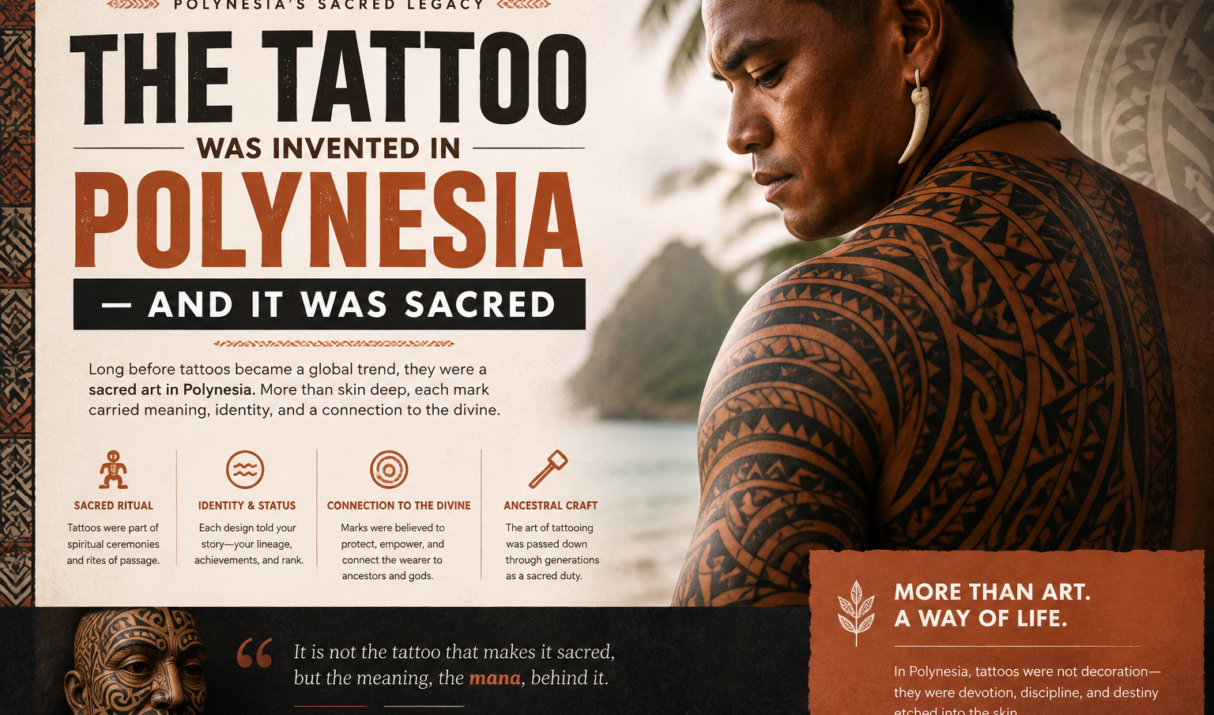

In modern society, body art is often viewed as a personal aesthetic choice, a dynamic form of self-expression, or a spontaneous trend. However, long before body art entered mainstream global pop culture, it existed as a deeply spiritual, structured, and

In modern Western discussions surrounding identity, gender non-conformity is often framed as a contemporary cultural shift. However, in the South Pacific island nation of Samoa, a recognized non-binary identity has existed harmoniously within society for centuries. Known as the Fa’afafine,

Stretching back over 65,000 years, the Aboriginal Dreamtime—known natively by terms like Jukurrpa or Altyerrenge—represents the continuous spiritual framework of Australia’s First Nations peoples. Far from a mythical fairytale or a simple collection of folklore, the Dreamtime is a complex,

Papua New Guinea stands as the most linguistically diverse nation on Earth, harboring over 800 distinct indigenous tongues across its islands and highlands. This astonishing variety represents roughly 12% of all living human languages spoken on the planet today. For

For millions of tourists around the globe, hula is often reduced to a decorative, commercialized souvenir—a gentle dance performed on idyllic beaches to entertain visitors. Yet, behind its mesmerizing footwork and rhythmic chants lies a history steeped in political struggle,

To global audiences, the haka is best known as the intense, foot-stomping pre-match ritual performed by New Zealand’s All Blacks rugby team. With wide eyes, protruding tongues, and rhythmic chest-slapping, the display is undeniably intimidating. However, reducing this profound indigenous