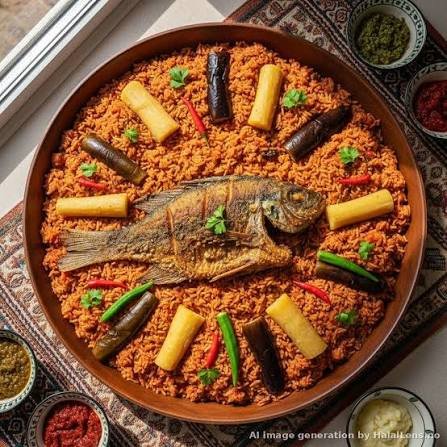

In West Africa, culinary traditions are deeply tied to national identity and community life. Among the region’s diverse cuisines, Senegal’s national dish—Ceebu Jën (most commonly written as Thiéboudienne)—holds a unique place of honor. Far more than a simple midday meal, this one-pot culinary masterpiece serves as the beating heart of Senegalese culture. In recognition of its cultural depth and historical value, UNESCO officially inscribed Thiéboudienne onto its Representative List of the Intangible Cultural Heritage of Humanity.
The Origins of a National Icon
The history of Thiéboudienne dates back to the 19th century in the coastal city of Saint-Louis, an ancient colonial port in northern Senegal. Legend attributes the creation of the dish to a legendary cook named Penda Mbaye, who worked in the former royal kingdom of Waalo. During a period of agricultural shifts and economic changes, French colonizers introduced imported broken rice to the region. Local cooks transformed this modest grain, combining it with Atlantic ocean catches and local farm produce to craft an entirely new culinary tradition.
A Masterclass in Complex Flavors
The name Ceebu Jën originates from the Wolof words for “rice” (ceeb) and “fish” (jën). The dish consists of fresh white grouper or snapper stuffed with a herb mixture called rof (made from parsley, garlic, and chili), fried, and then simmered in a rich tomato and onion broth. Root vegetables like cassava, carrots, cabbage, and sweet potatoes are cooked alongside fermented dried fish (guedj) and tamarind paste to build layers of savory, tangy flavor. The broken rice is then steamed directly in the seasoned broth, ensuring that every grain absorbs the rich, aromatic stock.
The Spirit of Teranga: Eating as a Shared Experience
What elevates Thiéboudienne beyond ordinary food is the social custom surrounding how it is eaten. The dish embodies Teranga, the famous Wolof spirit of generosity and hospitality. Traditionally, Thiéboudienne is served on a single, large communal platter known as a bolus. Family members, neighbors, and unexpected guests sit around the bowl on floor mats, eating together with their right hand or large wooden spoons. This communal dining setup fosters equality, conversation, and social bonding across generations.
Why UNESCO Recognized Thiéboudienne
In late 2021, UNESCO officially added Thiéboudienne to its Intangible Cultural Heritage list. The designation was not awarded merely for the recipe itself, but for the living human traditions attached to it. The UNESCO listing highlights how the knowledge of making the dish is passed down orally from mothers to daughters, preserving indigenous culinary techniques, local farming methods, and community solidarity. It recognizes the dish as a living art form that anchors Senegalese social structures.
The Mother of West African Jollof
Food historians widely acknowledge Thiéboudienne as the direct ancestor of West Africa’s world-famous Jollof rice. The word “Jollof” itself derives from the Wolof Empire of Senegal and modern Gambia. As the recipe spread across the region, neighboring countries adapted the one-pot rice method using meat, poultry, and local spice blends. While friendly internet rivalries persist over which nation cooks the best rice, Senegal’s original fish-based masterpiece remains the historic blueprint for the entire regional tradition.
Preserving Culture for Future Generations
Today, Thiéboudienne stands as a global symbol of West African pride, resilience, and culinary innovation. Its recognition on the world stage ensures that this historic recipe will be protected, documented, and celebrated for generations to come. Beyond satisfying hunger, a plate of Ceebu Jën tells the story of a nation that turned simple local ingredients into an internationally honored gift to human culture.