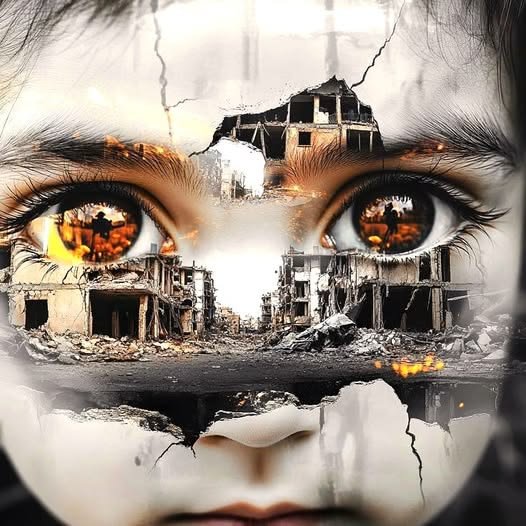

The ongoing conflict in Gaza has placed an unprecedented and catastrophic strain on press freedom, marking the region as one of the most hazardous environments for media professionals in modern history. Journalists routinely risk their lives to provide accurate, real-time reporting from the heart of a war zone. For the global community, independent journalism serves as the primary window into the humanitarian reality on the ground. However, the immense physical danger, coupled with severe systemic restrictions, has raised profound concerns among human rights organizations regarding the safety of truth-tellers and the long-term survival of a free press.
An Unprecedented Toll on Media Workers
The human cost paid by media workers in this conflict is staggering. According to documentation by the Committee to Protect Journalists (CPJ) and the United Nations, more journalists have been killed in this conflict than in any other single crisis since tracking began. Scores of local Palestinian reporters, photographers, and technicians have lost their lives under heavy bombardment, often while actively wearing marked “Press” vests or reporting from makeshift media tents. Beyond the fatalities, hundreds of others have suffered severe injuries, endured arbitrary detention, or faced the psychological agony of losing their homes and entire families while continuing their assignments.
The Barrier of Restricted International Access
Compounding the crisis is the strict enforcement of media blockades. Foreign journalists and international news agencies are largely barred from entering the Gaza Strip independently, permitted entry only under highly restricted, military-escorted tours. This total isolation places the entire burden of global news gathering squarely on the shoulders of local freelance and staff reporters already trapped within the enclave. Operating without secure lifelines, reliable electricity, or consistent internet access, these local professionals have become the sole eyewitnesses to the unfolding crisis, navigating extreme logistical blockades to broadcast critical information.
Systemic Infrastructure Destruction and Censorship
The targeting of press freedom extends far beyond the frontline dangers to encompass the systematic destruction of media infrastructure. Dozens of local radio stations, television bureaus, and independent newsrooms have been reduced to rubble by airstrikes, completely crippling the region’s domestic media ecosystem. Furthermore, aggressive telecommunication blackouts and strict wartime censorship laws create immense barriers to data transmission. This coordinated pressure isolates reporters from global support networks, leaving them vulnerable to digital tracking, targeted harassment, and targeted smear campaigns aimed at undermining the credibility of their live reporting.
Why Protecting the Press Matters
When the safety of journalists is compromised, the broader human cost of war escalates unchecked. The elimination of independent media voices creates an information vacuum, making it incredibly difficult to document potential war crimes, verify civilian casualty counts, or hold powerful entities accountable. International human rights frameworks explicitly state that journalists are civilians and must be protected under international humanitarian law. Preserving the integrity of press freedom in Gaza is not merely a professional necessity for the media industry; it is a vital human obligation required to ensure the world never loses sight of the civilian lives caught in the crossfire.
This panel discussion features representatives from the United Nations and the Committee to Protect Journalists analyzing the specific dangers, physical risks, and systemic restrictions faced by media professionals operating on the ground.