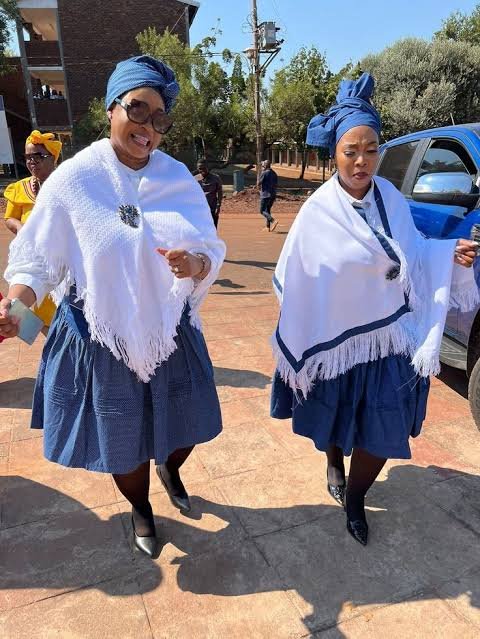
Why Botswana’s Tswana People Greet Each Other With an Entire Conversation Before Business Can Begin
Posted in :

In many fast-paced modern societies, efficiency is defined by speed. Meetings launch immediately into agendas, contracts are signed over quick phone calls, and small talk is often viewed as a distraction. However, in Botswana, taking a direct shortcut to business is considered impolite. The Tswana people, who make up the majority of Botswana’s population, practice a deeply rooted greeting etiquette that turns an initial hello into an intentional, structured dialogue. Before any negotiation, trade, or official discussion can start, a complete conversation about well-being, family, and daily life must take place.
The Philosophy of Botho: Humanity Before Profit
To understand this greeting custom, one must understand the core social value of Botswana known as Botho. Similar to the concept of Ubuntu found across Southern Africa, Botho translates to humaneness, mutual respect, and social harmony. It represents the belief that a person is only a person through their relationship with others. When two individuals meet, acknowledging each other’s humanity takes precedence over any transaction. Jumping straight into business implies that the other person is merely a tool for commercial gain rather than a valued member of the community.
The Structure of a Traditional Tswana Greeting
A standard Tswana greeting follows a rhythmic, reciprocal structure that goes far beyond a brief wave or head nod. It typically begins with a formal inquiry into health and peace, using phrases such as “Dumela” (Hello) followed by “O tsogile jang?” (How did you wake up?) or “O kae?” (How are you?). The exchange requires active listening as each person asks detailed questions about the other’s family, livestock, journey, and general well-being. Both parties respond thoroughly, establishing a warm and respectful atmosphere before any practical matters are introduced.
Building Trust through Relational Connection
In Tswana culture, trust is not granted through legal contracts alone; it is cultivated through personal connection. Engaging in an extended greeting allows both parties to assess character, mood, and intentions. It creates a comfortable environment where both sides feel heard and respected. By investing time in understanding the person across the table, business partners lay a solid foundation for long-term cooperation, reducing friction and misunderstandings when delicate negotiations arise later.
The Kgotla System and Public Discourse
This conversational approach to interaction extends into Botswana’s governance and judicial traditions through the Kgotla—a traditional village gathering place. At a Kgotla meeting, community elders, leaders, and citizens come together to deliberate on local issues, resolve disputes, and plan development. The ethos of the Kgotla relies heavily on patience, open dialogue, and consensus. The practice of thorough greeting reflects this broader political culture, where every individual’s voice is honored through deliberate and respectful communication.
Lessons for International Business and Travel
For foreign investors, diplomats, and tourists visiting Botswana, adapting to this cultural pace is essential for success. Attempting to rush a meeting or cutting off an elder’s greeting can damage professional relationships before they even begin. International business experts often advise visitors to adjust their expectations around time. In Botswana, spending ten minutes asking about someone’s family is not wasted time; it is a critical investment that demonstrates cultural intelligence, patience, and genuine respect.
A Timeless Reminder of Human Connection
In an era dominated by instant messaging and automated transactions, the Tswana tradition of conversational greetings offers a refreshing alternative. It reminds us that behind every commercial deal, policy decision, or community initiative are human beings who desire recognition and dignity. By prioritizing human connection before economic activity, Botswana preserves a culture of peace, stability, and genuine community strength that continues to inspire the world.