The Afar People of Djibouti Live in One of the Hottest Places on Earth — and Thrive
Posted in :

In the Horn of Africa, where the borders of Djibouti, Ethiopia, and Eritrea meet, lies the Danakil Depression and the surrounding hyper-arid deserts. Known as one of the hottest, lowest, and most geologically volatile places on Earth, summer temperatures in this region routinely surge past 48°C (118°F). Yet, across these scorched volcanic plains and shimmering salt flats, the Afar people have lived, adapted, and flourished for over a thousand years.
Master Navigators of a Hyper-Arid Landscape
The survival of the Afar in Djibouti relies on an intimate knowledge of the land. As traditionally nomadic pastoralists, they raise goats, sheep, and camels that can endure extreme heat and scarce water supplies. The Afar possess an extraordinary geographic memory, tracking seasonal water sources, underground aquifers, and fertile grazing patches across hundreds of miles of barren stone and sand. Rather than fighting the harsh desert environment, their lifestyle flows in harmony with its strict natural limits.
Architecture Designed for Thermal Comfort
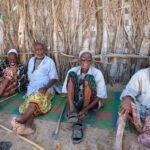
To survive relentless heat, traditional Afar housing relies on smart nomadic engineering. Their oval-shaped huts, known as ari, are built using light wooden frames covered with tightly woven palm mats. This design creates superior ventilation while shielding residents from intense solar radiation and frequent sandstorms. Because the huts are lightweight and easily dismantled, families can transport their entire homes on camelback whenever it is time to move in search of fresh pasture.
The Salt Trade: Turning Harsh Geology into Livelihood
Geology plays a vital role in the Afar economy. Djibouti’s mineral-rich salt lakes, such as Lake Assal, sit over 150 meters below sea level and form massive white salt crusts under the blistering sun. For generations, Afar men have harvested salt blocks using traditional hand tools and loaded them onto camel caravans. This ancient trade route supplies mineral salt to markets across Eastern Africa, turning one of the world’s most inhospitable geological features into a sustainable economic lifeline.
Strong Social Cohesion and Shared Resources
Surviving extreme environments requires deep community trust. The Afar people maintain a strict social structure built on mutual aid, collective decision-making, and hospitality. Under tribal custom, sharing water, food, and shelter with travelers or neighboring families is an absolute obligation. This tight-knit social safety net ensures that no individual family faces drought or livestock loss entirely alone, creating a resilient community structure capable of enduring harsh climate shocks.
Cultural Pride and Modern Adaptation
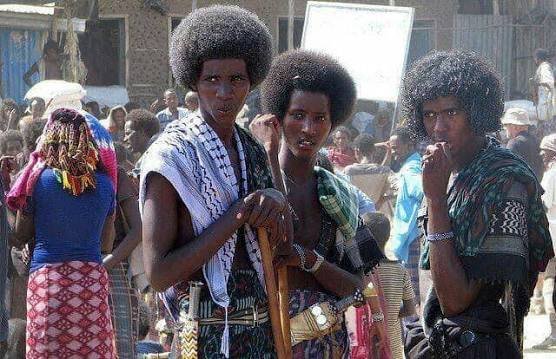
While modern infrastructure and urban growth are gradually reaching parts of Djibouti, the Afar maintain a proud connection to their traditional heritage. Many young Afar combine ancestral desert wisdom with modern education and trade, advocating for sustainable development that respects their lands. Their enduring presence in one of the planet’s most challenging environments stands as a profound testament to human ingenuity, cultural strength, and adaptation.