The “Morna” Music of Cape Verde — A Sound So Sad UNESCO Made It World Heritage
Posted in :

Off the western coast of Africa, isolated in the Atlantic Ocean, lies the island nation of Cape Verde. For centuries, this volcanic archipelago was a place defined by migration, harsh droughts, and the vast expanse of sea surrounding it. Out of this isolation emerged Morna, a musical genre deeply personal to the islanders yet universal enough to touch audiences worldwide.
Characterized by slow tempos, minor key harmonies, and mournful vocal melodies, Morna is widely recognized as the musical heartbeat of Cape Verde. It is not merely background music or entertainment; it is an oral tradition that captures the soul of an entire nation. In 2019, UNESCO officially inscribed Morna onto the Representative List of the Intangible Cultural Heritage of Humanity, recognizing its historic value and cultural importance.
The Essence of Sodade: Longing and Heartbreak
To understand Morna, one must first understand the concept of sodade (or saudade in Portuguese). It is a complex emotional state that describes a deep, melancholic longing for an absent loved one, a lost home, or a past time that may never return. Given Cape Verde’s history of economic hardship, generations of citizens were forced to emigrate in search of work, leaving family members behind on the islands.
Morna became the primary artistic outlet through which islanders processed this pain. The lyrics often speak of tearful farewells at harbors, the uncertainty of life across the ocean, and the eternal hope of returning home. Through poetry set to music, Morna translated the sorrow of separation into an enduring expression of human resilience.
Acoustic Instruments and Melodic Structure
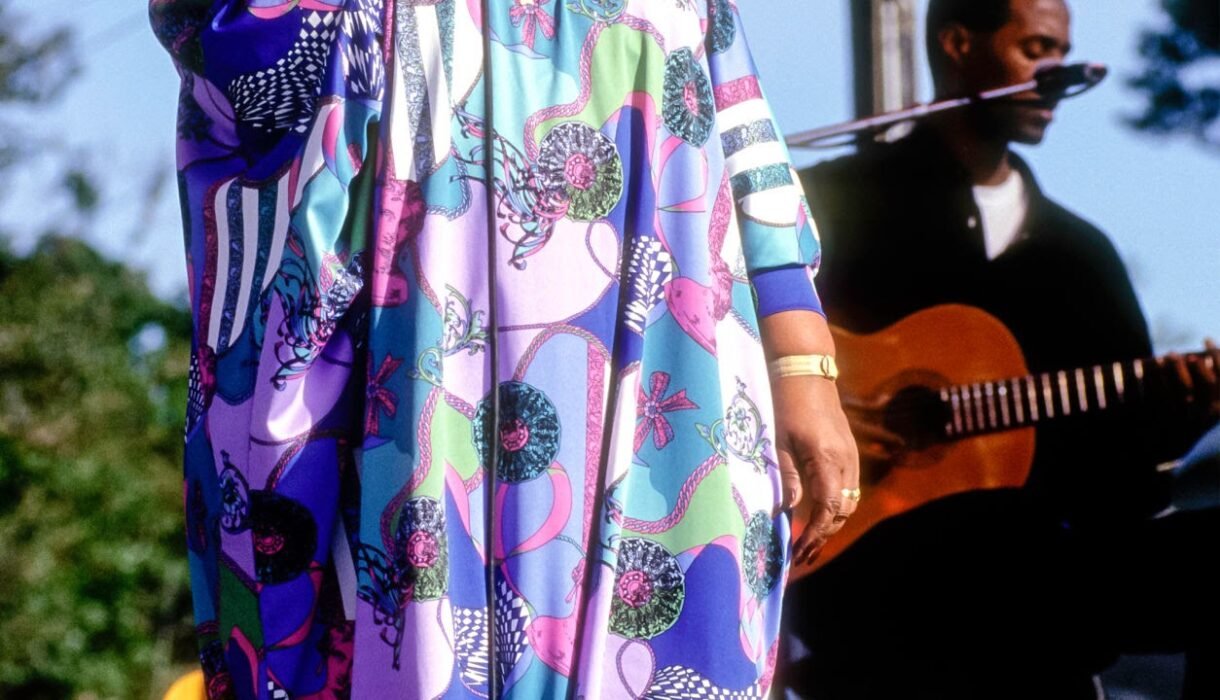
Musically, Morna relies on a blend of stringed instruments that create its signature rhythmic and harmonic backdrop. Acoustic guitars (violão), the ten-stringed cavaquinho, and the violin form the core ensemble, often accompanied by the subtle percussive sounds of shakers or piano.
Unlike faster, dance-heavy African music genres, Morna moves at a slow, reflective pace. The rhythm gently sways like ocean waves, while minor chord progressions evoke feelings of nostalgia and sadness. This distinct acoustic setup allows the vocalist’s voice to take center stage, delivering emotional lyrics usually sung in Cape Verdean Creole.
Cesária Évora: The Global Voice of Cape Verde
While Morna was cherished locally for generations, it remained relatively unknown to the international community until the late 20th century. That changed with the rise of Cesária Évora, fondly remembered as the “Barefoot Diva.” Born in the port city of Mindelo on the island of São Vicente, Évora possessed a contralto voice capable of conveying raw emotional depth without dramatic theatrics.
Évora performed barefoot as a symbolic tribute to the impoverished women and children of her homeland. Her landmark 1992 album, Miss Perfumado, sold hundreds of thousands of copies worldwide, catapulting both her and Morna into global stardom. Through her worldwide tours, Évora introduced international audiences to the beauty of Cape Verdean melancholy, earning a Grammy Award and cementing Morna’s place on the world stage.
Historical Roots and Evolution
The precise origins of Morna remain a topic of debate among musicologists, but most trace its birth to the island of Boa Vista during the 18th century. It developed as a blend of diverse cultural influences, merging Portuguese fado, African rhythms, modinha from Brazil, and British sea shanties brought by sailors docking in Atlantic ports.
Over time, the genre evolved through distinct phases. In the early 20th century, composer Eugénio Tavares introduced greater poetic sophistication to Morna lyrics, focusing on themes of romantic heartbreak and emigration. Later, composers like B.Léza modernized the genre by incorporating complex chromatic harmonies influenced by Brazilian music, giving Morna the rich structure it maintains today.
The UNESCO Recognition and Cultural Legacy
UNESCO’s designation of Morna as Intangible Cultural Heritage was a defining moment for Cape Verde. The recognition underscored that intangible heritage—such as songs, oral traditions, and social rituals—is just as valuable to human history as physical monuments or ancient buildings.
Today, Morna remains a living tradition across Cape Verde’s islands and among its extensive global diaspora. Young artists continue to perform classic compositions in local tascas (taverns) and international concert halls, ensuring that the genre evolves while keeping its core identity intact. Morna stands as a powerful reminder that out of deep sorrow and isolation, humanity can create art that inspires connection across the globe.