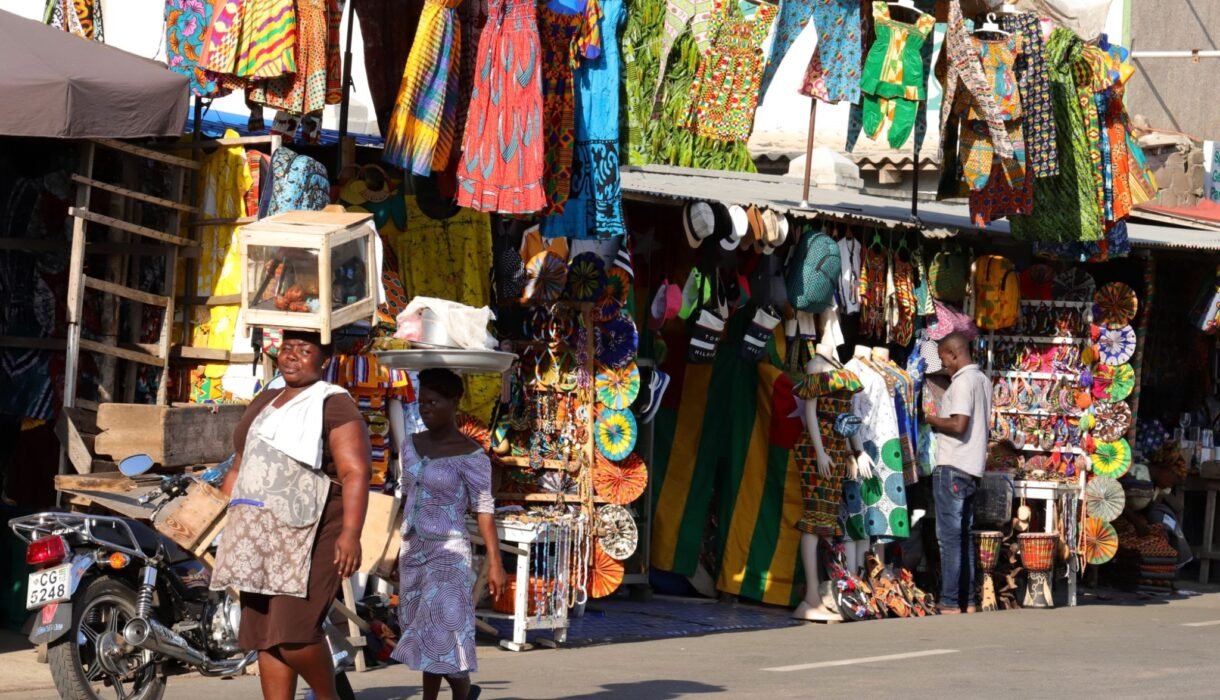

In the heart of Lomé, the vibrant capital of Togo, the bustling Grand Marché hums with endless commercial energy. Brightly colored wax fabrics, mounds of fresh spices, handcrafted jewelry, and daily household goods fill thousands of stalls. Yet, an observant visitor will quickly notice a striking pattern: nearly every stall owner, wholesaler, and trade negotiator is a woman. Far from being a modern social experiment, the female dominance of Togolese markets is an ancient tradition that has shaped the nation’s economy for centuries.
Women in Togo do not simply participate in local commerce; they completely control it. From small rural village stalls to multi-million-dollar import businesses, female entrepreneurs manage the supply chains, negotiate credit terms, and set market prices. Understanding why these commercial hubs are run entirely by women requires exploring West African history, traditional family structures, and a remarkable legacy of financial independence.
Deep Historical Roots of Female Commerce
Long before European colonization, West African societies maintained clear, complementary roles for men and women. In pre-colonial Togo, men were primarily responsible for heavy agricultural labor, land defense, and community governance. Women, meanwhile, were entrusted with processing agricultural yields, managing domestic budgets, and trading surplus goods at local crossroads and rivers.
This division of labor naturally made women masters of barter, currency exchange, and trade routes. Over centuries, market spaces evolved into exclusively female sanctuaries. Men were expected to produce goods, while women retained total control over the selling process and the financial profits generated from market trade.
The Rise of the “Nana Benz” Empire
The authority of Togolese market women reached legendary status in the mid-20th century with the rise of the Nana Benz. These visionary businesswoman gained exclusive distribution rights for Dutch wax print fabrics across West Africa. Starting with modest capital, they built massive commercial empires, importing textiles directly from Europe and controlling distribution channels across neighboring countries.
The nickname Nana Benz came from the fact that these women were among the first citizens in post-independence Togo to buy high-end Mercedes-Benz luxury cars. They became major political influencers and bankrolled political campaigns, infrastructure projects, and social initiatives. Their astounding success proved that female market vendors were not merely surviving; they were driving the nation’s financial engine.
Financial Autonomy and Household Dynamics
In traditional Togolese culture, personal finances between husbands and wives remain strictly separate. A married woman’s earnings from the market belong entirely to her, granting her immense personal independence and security. This economic model ensures that women can invest directly in their children’s education, healthcare, and future business endeavors without relying solely on a spouse.
Market trading provides Togolese women with a reliable pathway to social prestige. A successful market woman earns deep respect within her community, functioning as a matriarch whose advice is sought in family matters, business disputes, and community affairs.
Knowledge Passed Through Generations
The secret to the longevity of this female-dominated system lies in its intergenerational mentorship. Togolese girls grow up alongside their mothers and aunts in the markets, learning practical business skills from an early age. They master mental arithmetic, inventory management, price negotiation, and customer relationship building long before formal schooling ends.
When senior market women prepare to retire, they pass down prime stall locations, supplier networks, and established customer bases to their daughters or nieces. This inherited business structure ensures that commercial power remains securely in the hands of women generation after generation.
Modern Resilience in a Changing World
Today, Togolese market women continue to adapt to global economic shifts, inflation, and digital commerce. Many contemporary traders hold university degrees in business or economics, choosing to apply modern financial strategies to traditional market networks. They use mobile banking, international shipping platforms, and social media marketing to expand their businesses beyond West Africa.
Despite modern economic challenges, the markets of Togo remain a testament to female strength, organization, and entrepreneurial skill. The female-led markets of Togo demonstrate how ancient cultural traditions can create lasting economic empowerment that thrives well into the 21st century.