
The Kente Cloth of Ghana Is Not Just Fashion — Every Single Thread Tells a Story
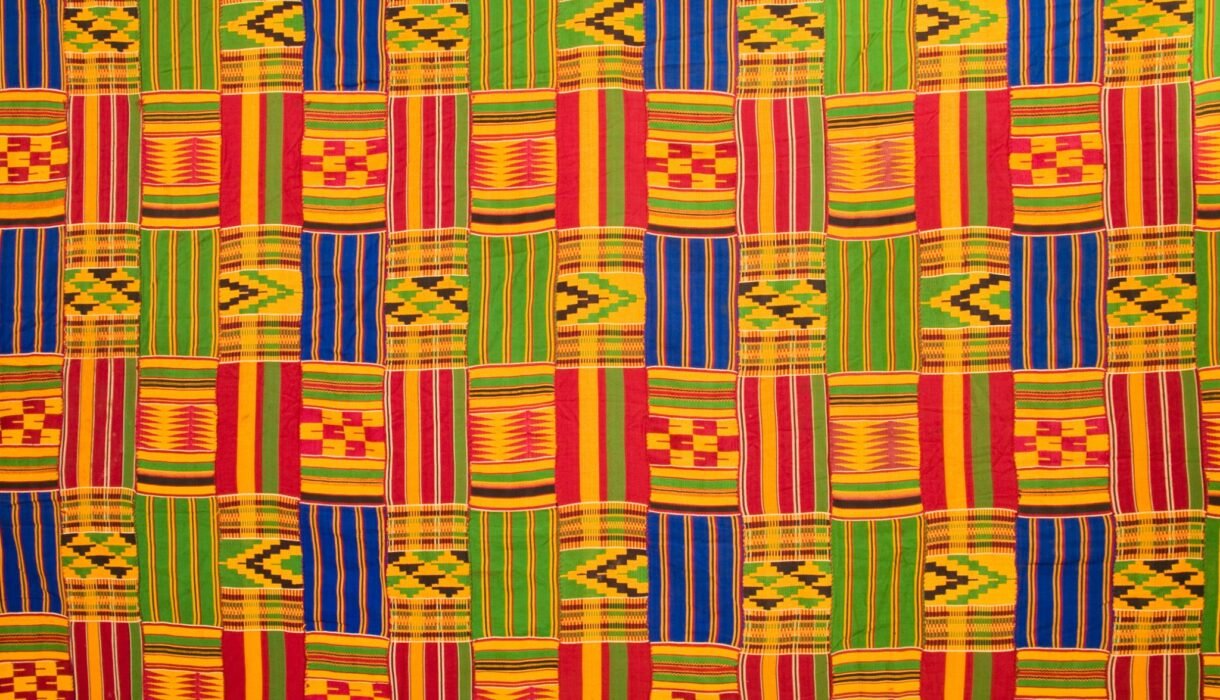
When you first lay eyes on a vibrant piece of Kente cloth, its bold geometric patterns and striking colors immediately command attention. Originating from the heart of West Africa, specifically the Akan and Ewe kingdoms of Ghana, this world-renowned textile is far more than a decorative garment or a trendy fashion statement. To the people of Ghana, Kente is a woven library, a historical document, and a visual language where every single thread, color choice, and geometric block tells a precise story.
Legendary Origins and Sacred Craftsmanship
According to Ashanti folklore, the art of Kente weaving was born in the village of Bonwire centuries ago. Legend has it that two brothers, Kuragu and Ameyaw, went hunting in the forest and stumbled upon a spider painstakingly spinning its web. Captivated by the complex patterns and structural beauty, they returned home and replicated the technique using silk and cotton threads. Originally reserved exclusively for royalty and sacred ceremonies, Kente cloth earned the title “Nwentoma,” meaning woven cloth, and became an immediate symbol of power, prestige, and divine authority.
The Hidden Language of Color Psychology
Nothing in a piece of Kente is chosen by accident, especially its colors. Master weavers select specific dyes to convey explicit messages and emotional states. For example, gold and yellow represent wealth, nobility, and spiritual purity, while green symbolizes growth, harvest, and renewal. Red signifies political passion and blood ties, black represents spiritual maturity and ancestral connection, and blue communicates harmony, peace, and love. When these colors intermingle across a single garment, they create a complex narrative tailored to the wearer’s life journey or social status.
Geometric Symbols and Oral History
Beyond color, the intricate geometric patterns woven into Kente cloth serve as visual representations of proverbs, historical events, and social values. Each unique pattern carries its own name and meaning, passed down orally through generations of master artisans. One famous pattern, known as Sika Fre Mogya (“Money attracts royalty”), speaks to economic success and responsibility. Another, Eban (“Fence”), represents safety, security, and love within a family structure. Wearing a specific pattern is an intentional act of expressing one’s character, philosophy, or personal stance on an important matter.
The Painstaking Craft Behind Every Strip
Creating an authentic piece of Kente requires extraordinary skill, physical endurance, and patience. Master weavers work on wooden handlooms, using their hands and feet simultaneously to weave thin strips of fabric that measure only a few inches wide. Once dozens of these individual strips are completed, tailors meticulously sew them together side by side to form a large, seamless cloth. A single garment can take anywhere from several weeks to months to complete, making each genuine piece an irreplaceable work of art.
A Modern Global Symbol of Cultural Pride
In contemporary society, Kente cloth has expanded far beyond the royal courts of Ghana to become a globally recognized emblem of Pan-African pride and unity. It is proudly worn at major life milestones across the world, including academic graduations, weddings, religious services, and presidential inaugurations. While modern designers regularly incorporate Kente motifs into mainstream international fashion, the true essence of the fabric remains rooted in its traditional craftsmanship.
Preserving Heritage in a Fast-Paced World
As machine-made imitations enter the global market, traditional Ghanaian weavers remain dedicated to protecting the authenticity of their ancient craft. To wear authentic handwoven Kente is to drape oneself in history, philosophy, and the creative legacy of generations past. By honoring the stories woven into every thread, we ensure that Kente continues to serve not merely as clothing, but as an enduring bridge connecting past, present, and future.