The Kabyle Berbers of Algeria Still Speak a Language That Survived a Thousand Years of Conquest
Posted in :

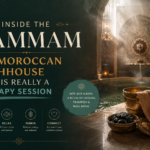
Stepping into a traditional Moroccan hammam is like crossing a threshold into another realm, where the chaotic din of bustling medina alleyways fades into a soft, echoing quiet. Long before modern day spas transformed personal care into a luxury commodity, the public bathhouse served as the beating heart of North African urban life. Far beyond basic hygiene, the hammam is a deeply ingrained sanctuary—an architectural, physical, and psychological refuge where body and mind undergo a thorough reset.
An Architectural Journey Through Heat and Steam
The traditional hammam experience is intentionally structured around three distinct interconnected rooms, each designed to prepare the body for the next stage of relaxation. Bathers begin in the cool room (al-barid) to disrobe and adjust to the environment before moving into the warm room (al-wسطاني), where the air begins to loosen tense muscles. The journey culminates in the hot steam room (al-sakhn), a tiled chamber thick with humidity. Here, beneath domed ceilings pierced by star-shaped skylights, steam opens every pore, melting away physical fatigue and prompting deep mental stillness.
The Sacred Elements of Moroccan Black Soap and Clay
At the core of the bathhouse ritual are centuries-old natural remedies sourced directly from the Moroccan landscape. The process begins with saboun beldi, a dark, gelatinous paste made from crushed black olives and olive oil, rich in Vitamin E. Applied generously over warm skin, the soap acts as a softening treatment before a attendant (tiyaba) uses a coarse kessa glove to vigorously exfoliate dead skin cells away. Afterwards, bathers are often enveloped in ghassoul, a natural mineral clay mined from the Atlas Mountains, which draws out impurities while leaving the skin deeply nourished.
A Community Sanctuary for Vulnerability and Connection
In Moroccan culture, the hammam serves as a powerful social equalizer where societal status, career pressures, and wealth are left at the door. Bathing together in a shared space fosters a rare form of authentic human connection. Neighbors converse freely, elders pass down life advice to younger generations, and friends share laughter amid the rising steam. This communal vulnerability breaks down isolation, transforming what could be a solitary hygiene task into a supportive, collective release of emotional weight.
The Cathartic Cleansing of Body and Mind
While the physical benefits of dynamic exfoliation and steam therapy are immediately visible, the psychological impact of the hammam is where its true therapeutic value lies. The rhythmic pouring of warm water from brass buckets creates a soothing, hypnotic auditory backdrop that calms an overactive nervous system. As layers of dead skin are scrubbed away, bathers frequently describe feeling an emotional shedding as well—a symbolic washing away of stress, anxiety, and mental clutter accumulated from daily life.
Reemerging Restored in the Modern World
The ritual concludes by returning gradually through the cooler chambers, allowing the body’s internal temperature to stabilize before re-entering the outside world. Often, bathers gather in a quiet relaxation area to sip warm mint tea and rest quietly wrapped in towels. In an era dominated by constant screen time, tight schedules, and fast-paced living, the ancient practice of the hammam offers a vital reminder: true wellness requires taking time to slow down, honor the body, and engage in meaningful, holistic care.