The Krio Culture of Sierra Leone — Born From Freed Slaves Who Built Their Own World
Posted in :

Along the picturesque coastline of West Africa lies Freetown, the capital of Sierra Leone. While many cities grow naturally over centuries from ancient settlements, Freetown was founded with a very specific purpose: to serve as a sanctuary for formerly enslaved people returning to African soil. Out of this extraordinary convergence of diverse backgrounds, displaced individuals, and resilient souls emerged the Krio people. Rather than remaining defined by the trauma of bondage, the ancestors of the Krio forged a distinct, thriving society complete with its own language, architecture, and social customs.
The Converging Streams of Returnees
The origins of Krio culture trace back to the late 18th and early 19th centuries, following a series of historical migrations. The first groups included Black Loyalists who had fought alongside the British during the American Revolutionary War, freed slaves from Nova Scotia, and Jamaican Maroons who brought their fierce independence to West African shores. Later, thousands of “Recaptives”—Africans rescued from illegal slave ships by the British Royal Navy—were settled in Freetown. Coming from various regions across the continent, particularly present-day Nigeria, these diverse groups merged their distinct traditions to lay the foundation of Krio identity.
A Unique Language That Unifies a Nation
At the heart of Krio culture is its vibrant language, also called Krio. Originally developed as an English-based creole enriched with vocabulary from Yoruba, Akan, and other African languages, Krio allowed people from completely different ethnic backgrounds to communicate effortlessly. Over time, it evolved far beyond a simple trade dialect into a rich, poetic language capable of expressing deep philosophy, humor, and emotion. Today, Krio is spoken by nearly all Sierra Leoneans, serving as a powerful national lingua franca that promotes unity and cross-cultural understanding throughout the country.
Architecture Built on Memory and Adaptability
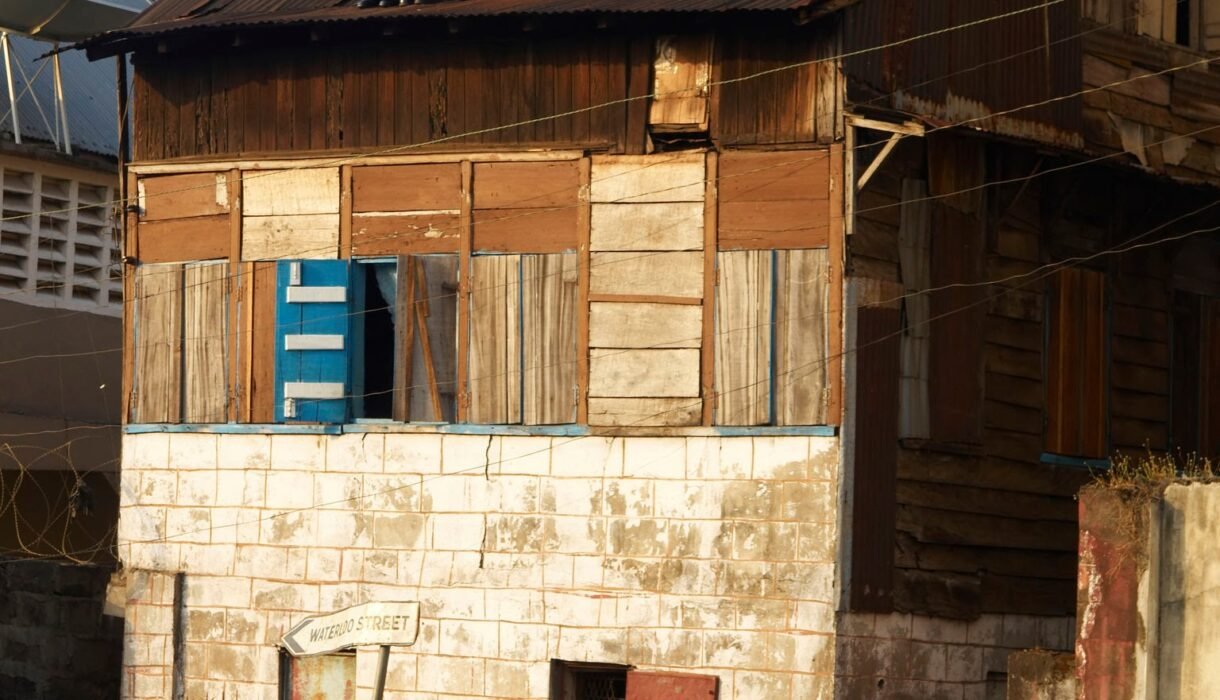
The physical landscape of Freetown still reflects the unique heritage of the Krio through its iconic architectural style. Early settlers drew inspiration from the Victorian homes they had seen in North America and the Caribbean, combining these designs with West African building techniques. Known as “bod-os” (board houses), these wooden structures feature distinctive stone foundations, wide verandas, shuttered windows, and steep roofs designed to handle heavy tropical rains. These historic homes stand as tangible monuments to the ingenuity of a community that blended Western influences with African practicalities.
Distinctive Culinary Traditions and Fashion
Krio identity is equally celebrated through its rich culinary heritage and traditional dress. Krio cuisine features beloved dishes such as cassava leaf stew, plasas, and granat soup (peanut stew), served alongside staples like rice and fried plantains. On special occasions, Krio women wear elegant garments known as the print or kabaslot, a loose-fitting, brightly colored dress with matching headwraps that reflects both Victorian modest tailoring and vibrant West African textile patterns. These culinary and fashion traditions remain central to family celebrations, weddings, and community gatherings.
Intellectual Leadership and Educational Pioneers
Throughout the 19th and early 20th centuries, the Krio community played a monumental role in shaping education, civil service, and professional life across West Africa. Freetown earned the nickname “Athens of West Africa” largely due to Fourah Bay College, founded in 1827 as the first Western-style university in Sub-Saharan Africa. Krio scholars, doctors, lawyers, and writers traveled across the continent, establishing schools, newspapers, and administrative systems in countries like Nigeria, Ghana, and the Gambia, leaving a lasting intellectual legacy throughout the region.
A Lasting Legacy of Resilience and Heritage
Today, the Krio culture stands as an enduring symbol of human resilience, cultural innovation, and identity rebuilt against all odds. Though representing a smaller percentage of Sierra Leone’s total population today, their cultural footprint remains woven into every aspect of national life. By transforming displacement into a harmonious synthesis of global and African traditions, the Krio people did not merely survive their circumstances—they created a vibrant, lasting world that continues to inspire and unite generations.